US
US  NZ
NZ  AU
AU 


Rainbow Phonics Kits Reception
Our Reception Kits introduce the first set of letter sounds and early decoding skills, available in a range of sizes and quantities to suit all educators. From Single Kits that are perfect for home schooling parents or smaller schools, to our comprehensive School-sized Kits that provide components for multiple classroom use, these collections of resources include everything needed for successfully implementing our phonics programme.
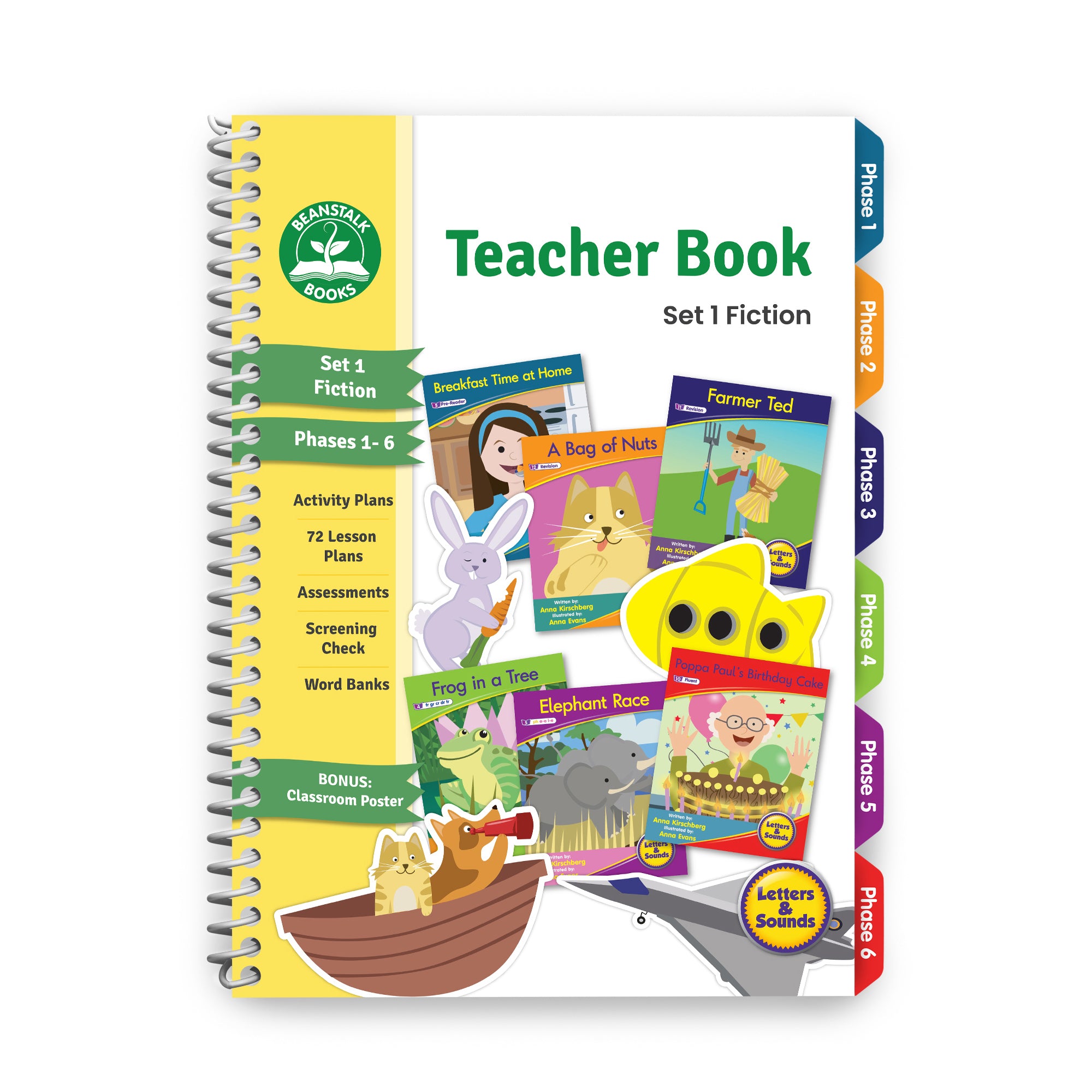
The Teacher Planner for Reception provides daily and weekly lesson plans based on the progression of our phonics programme. A calendar in the front maps out all the lessons for the year. Resources included are designed to work according to the daily lessons as the letters are introduced, rather than consolidated at the end of the phase. The Teacher Planner also brings in decodable readers and introduces these closely after letter sounds have been taught to apply newly learnt letter knowledge to real reading.
Our progression moves from Phase 2 where early letter sounds correspondences are introduced, to Phase 3 where more complex vowel digraphs are taught. Following this, Phase 4 is also included to teach CCVC and CVCC structures (adjacent consonants) as well as multi-syllable words.
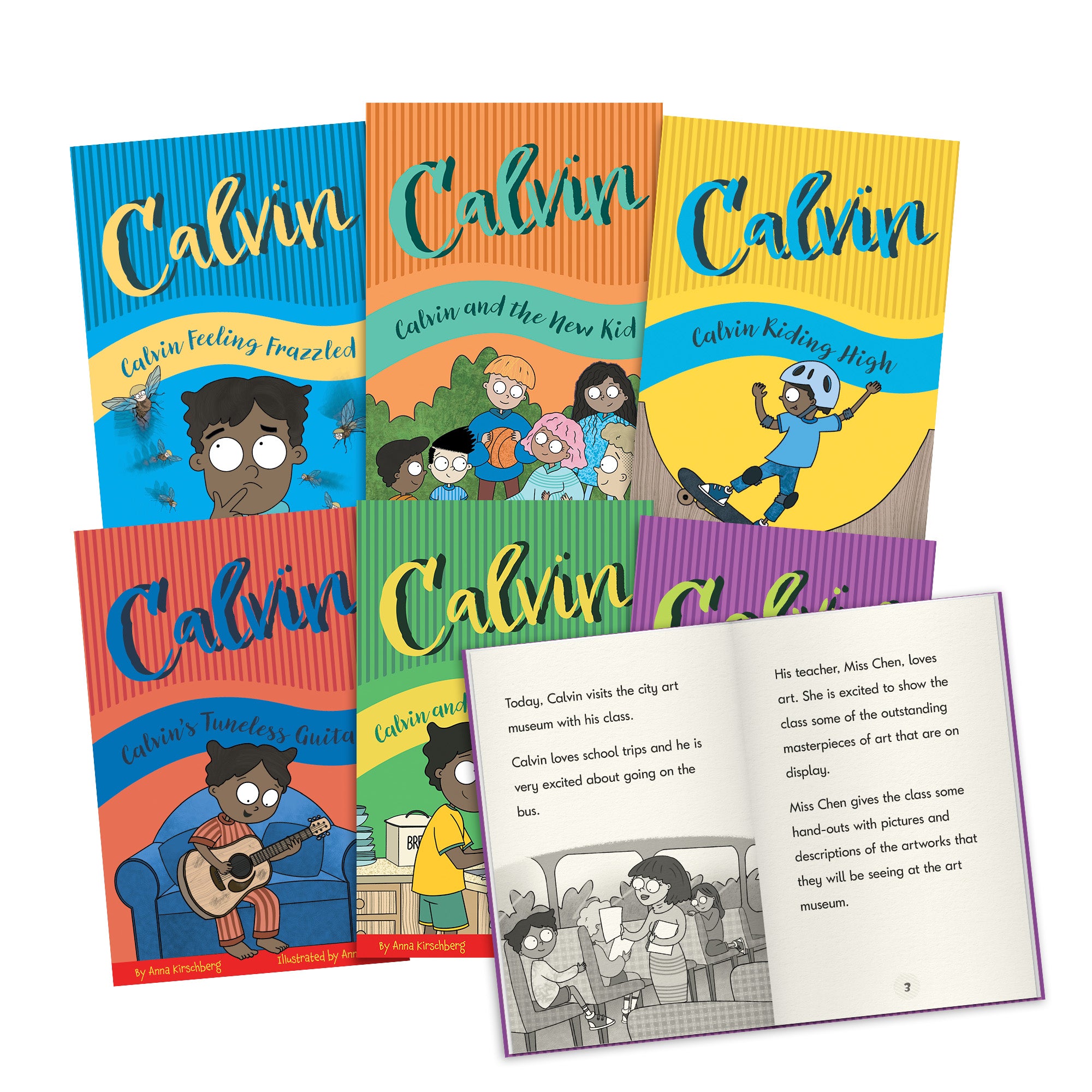
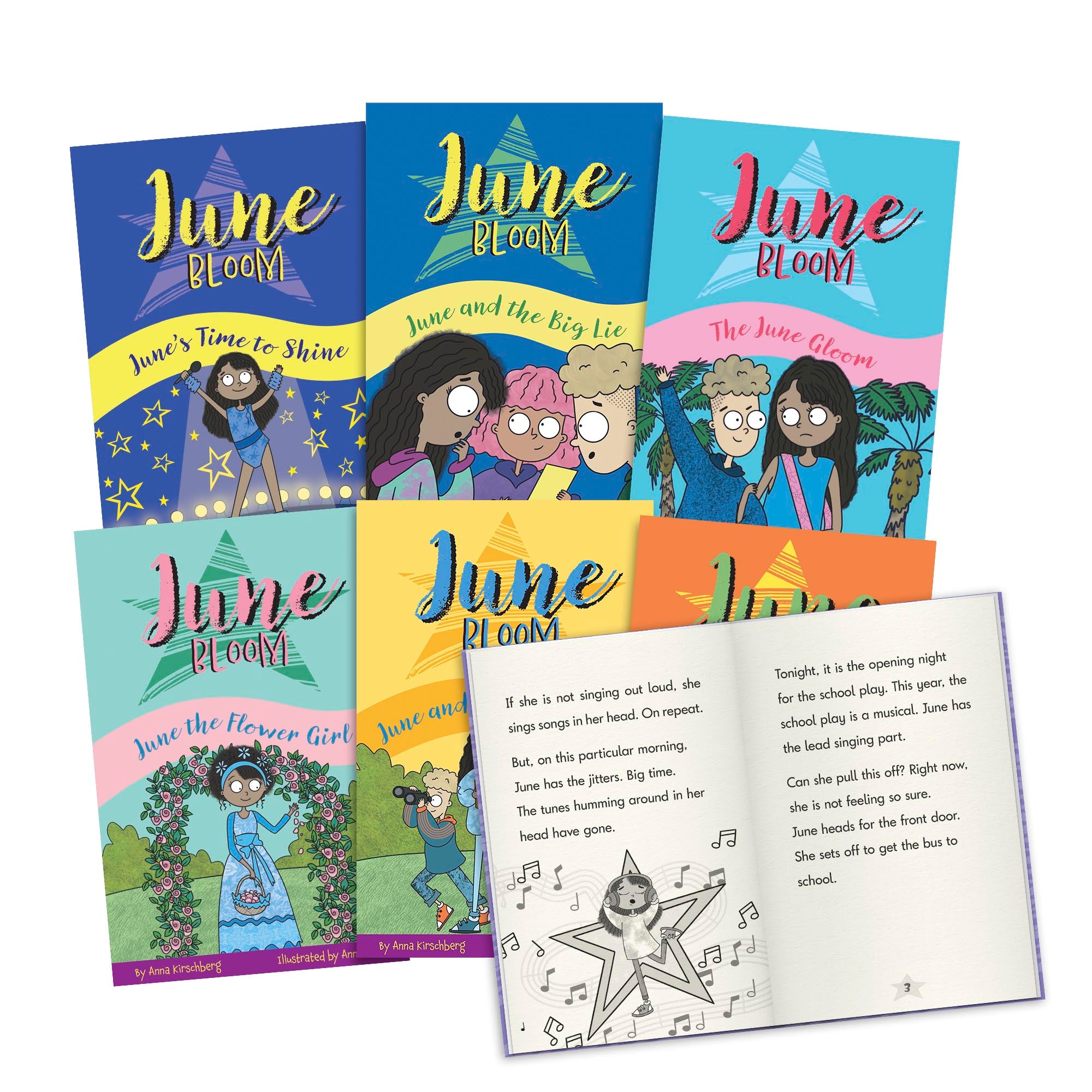
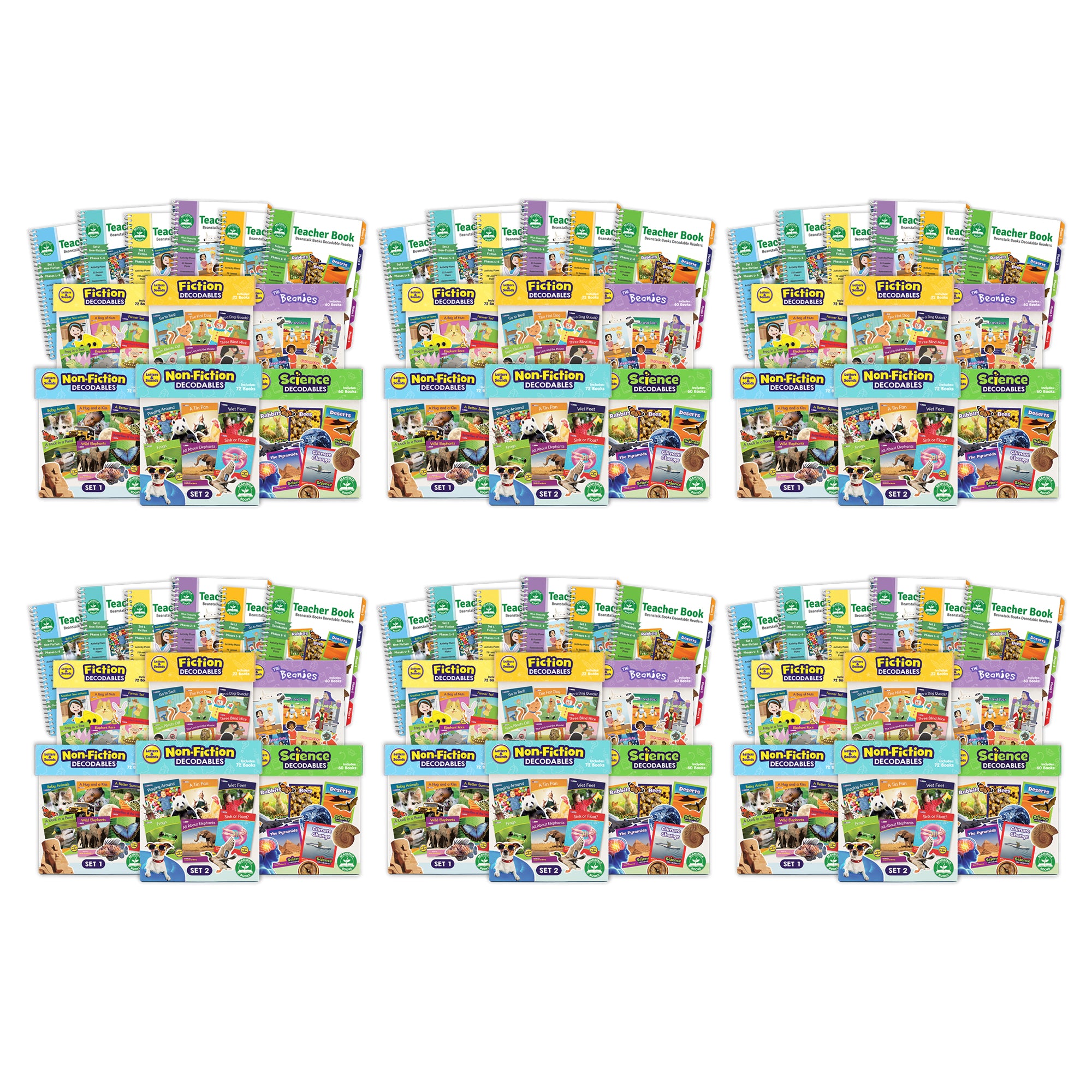
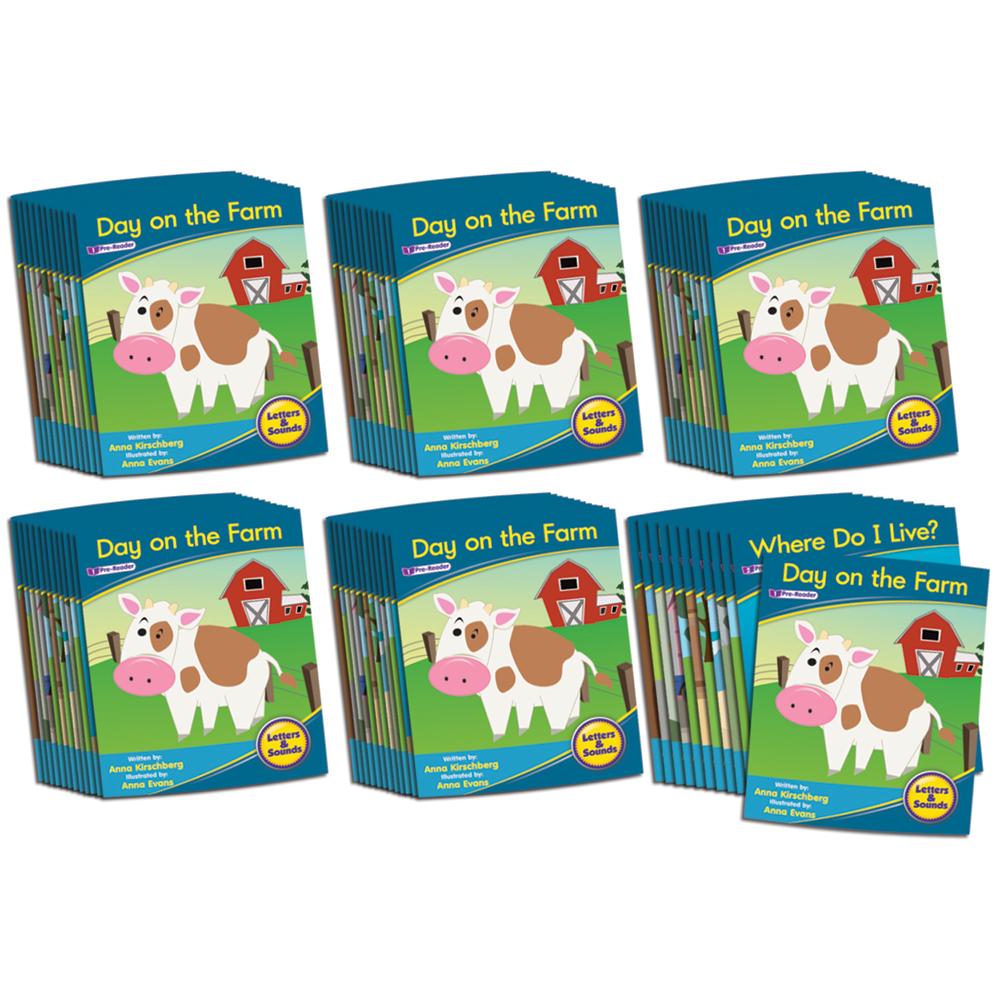
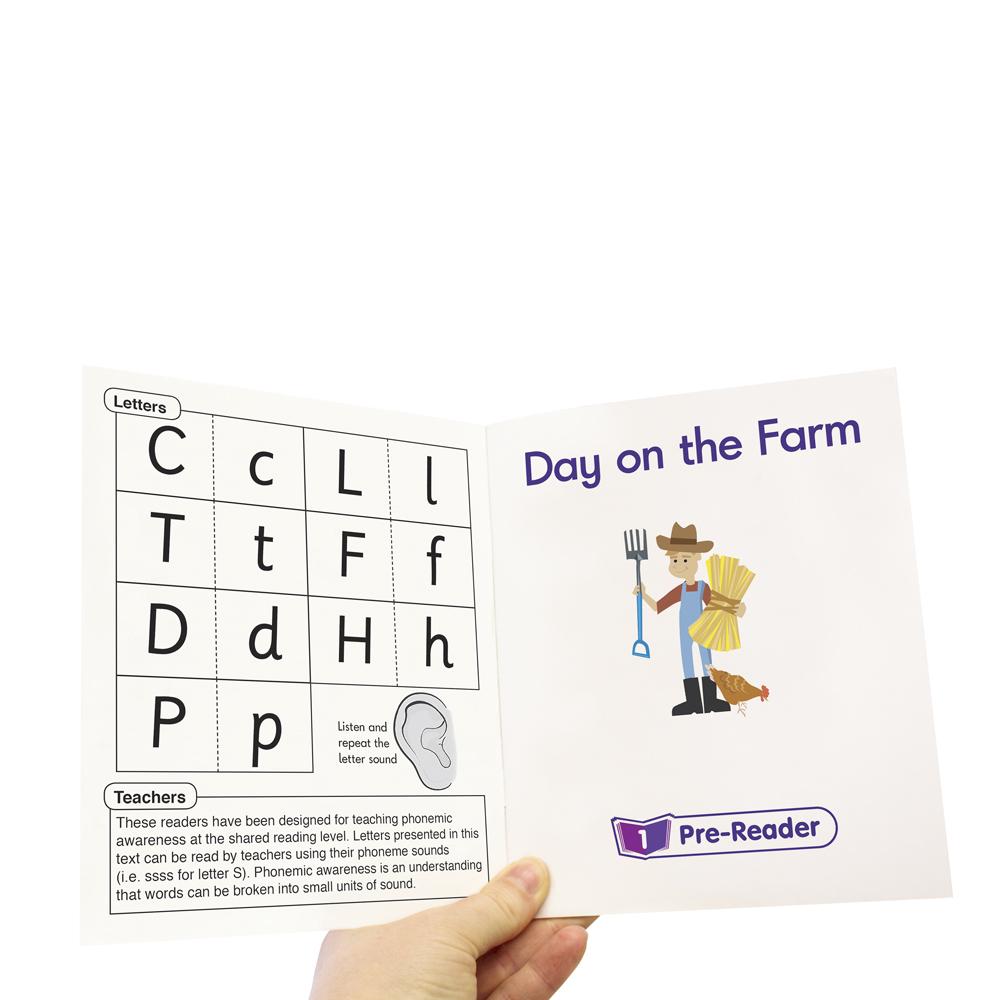
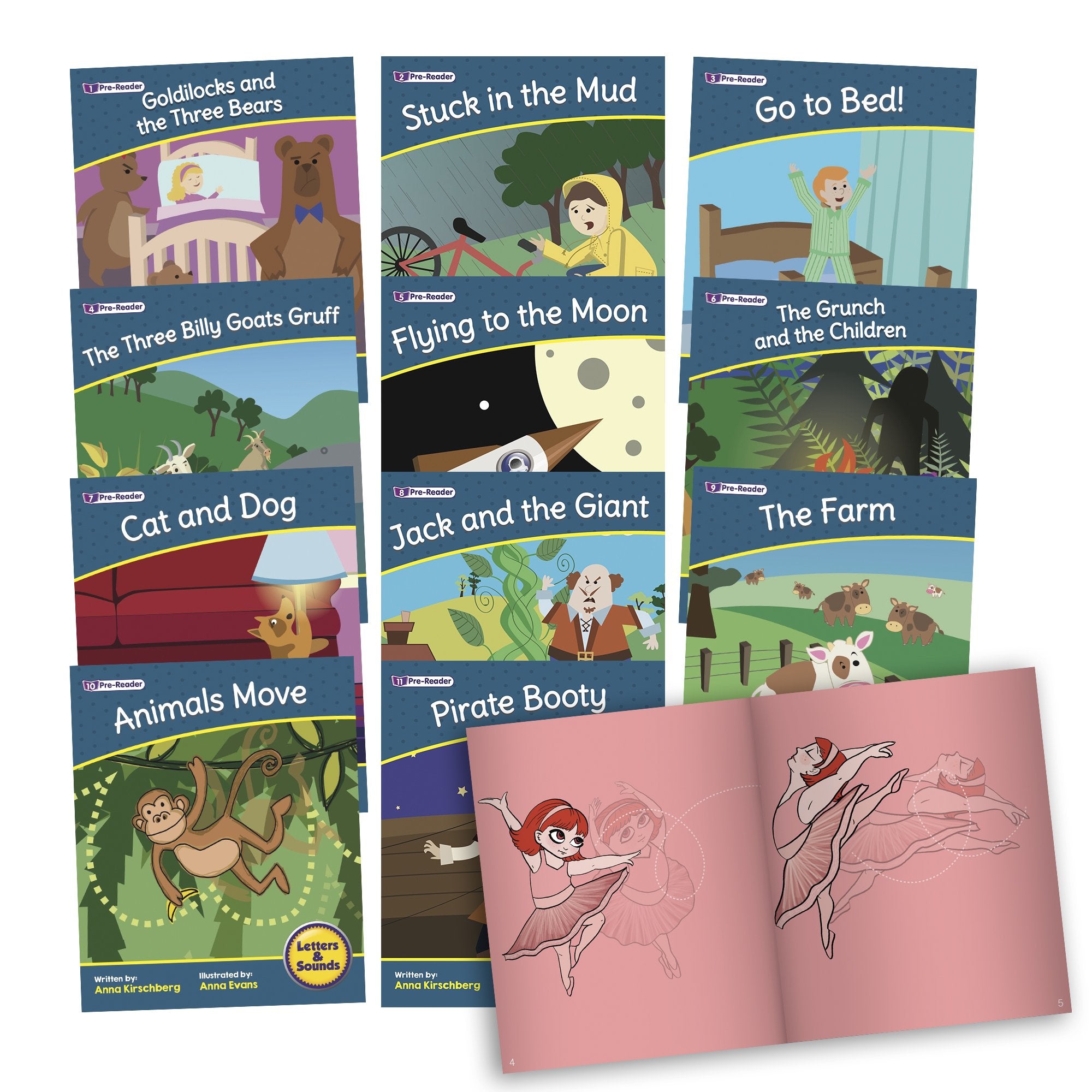
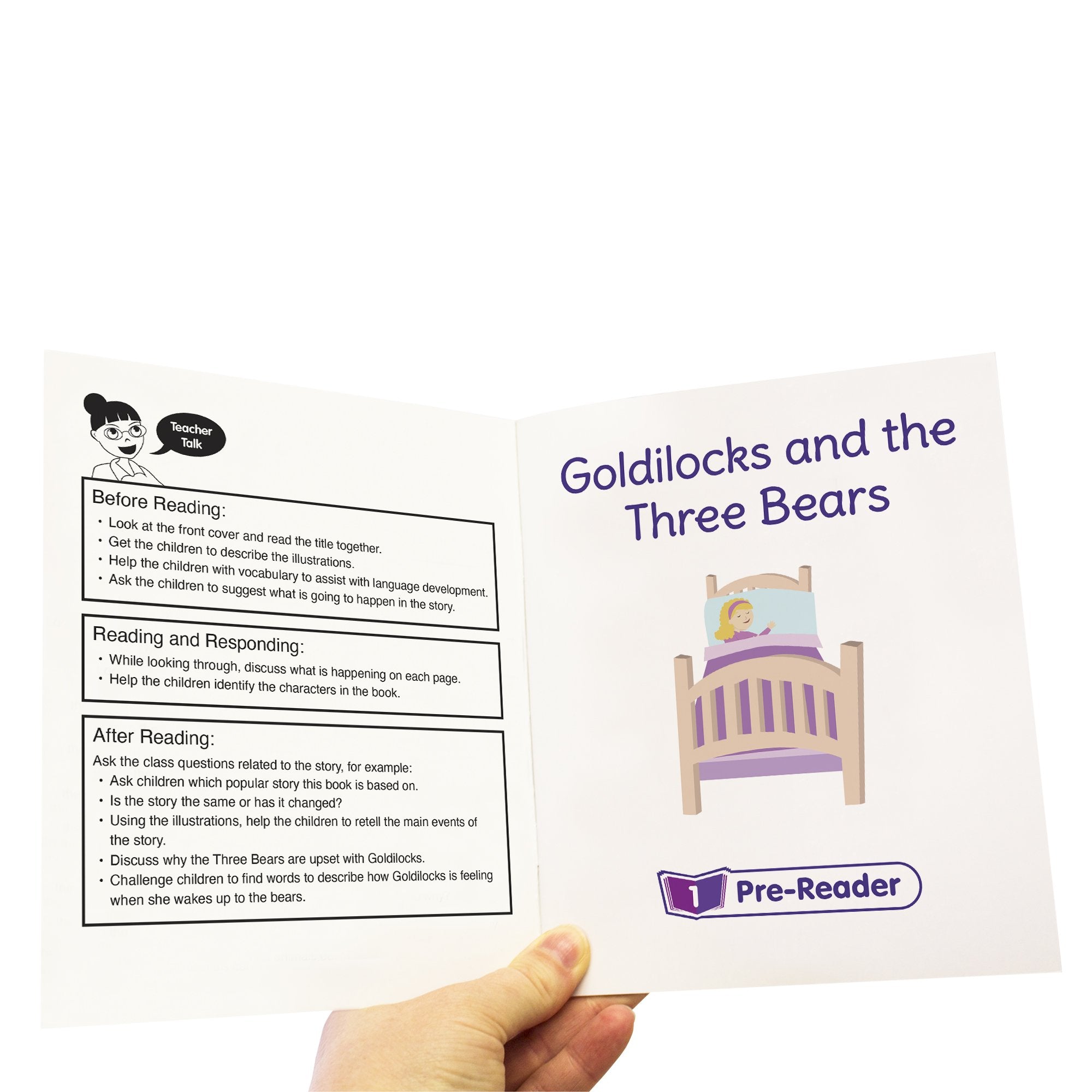
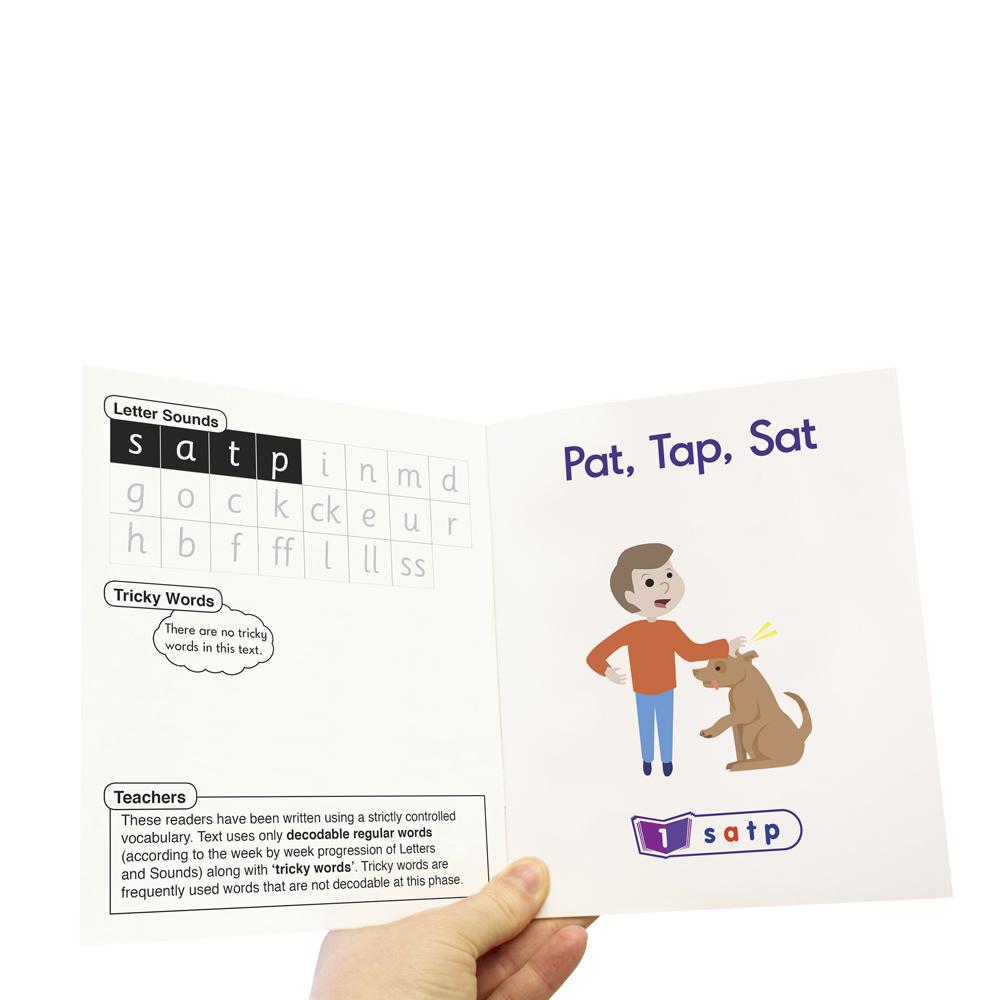
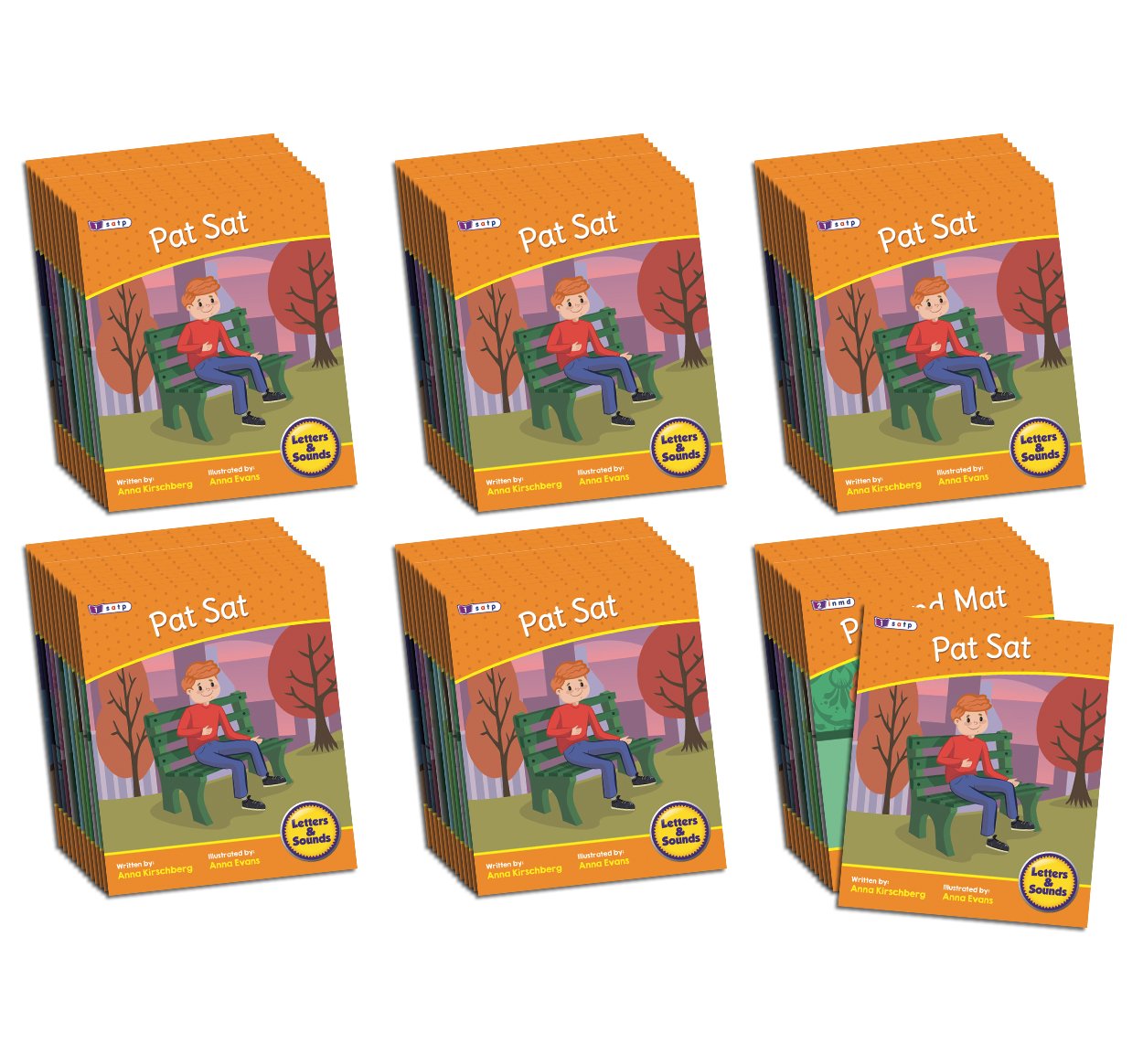
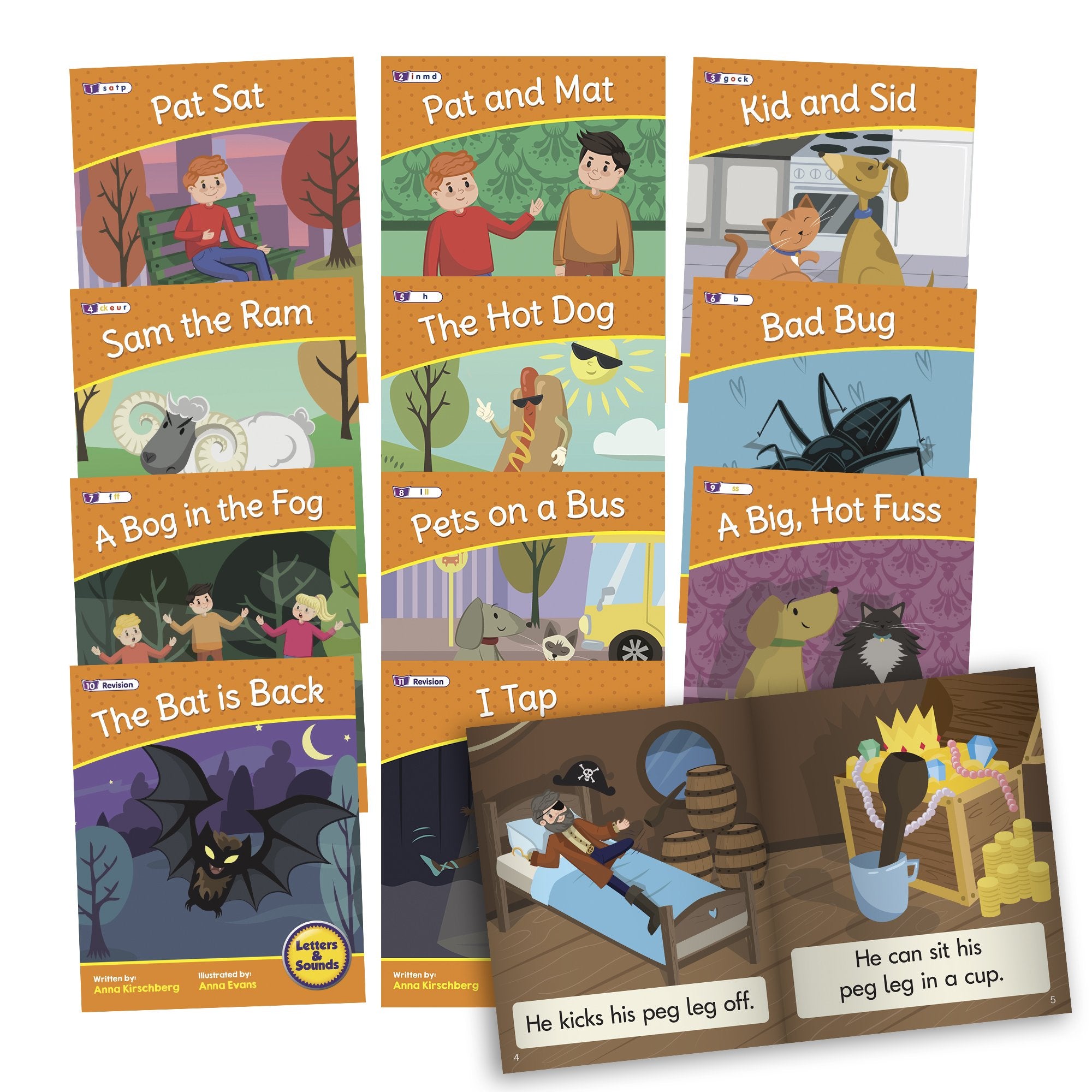
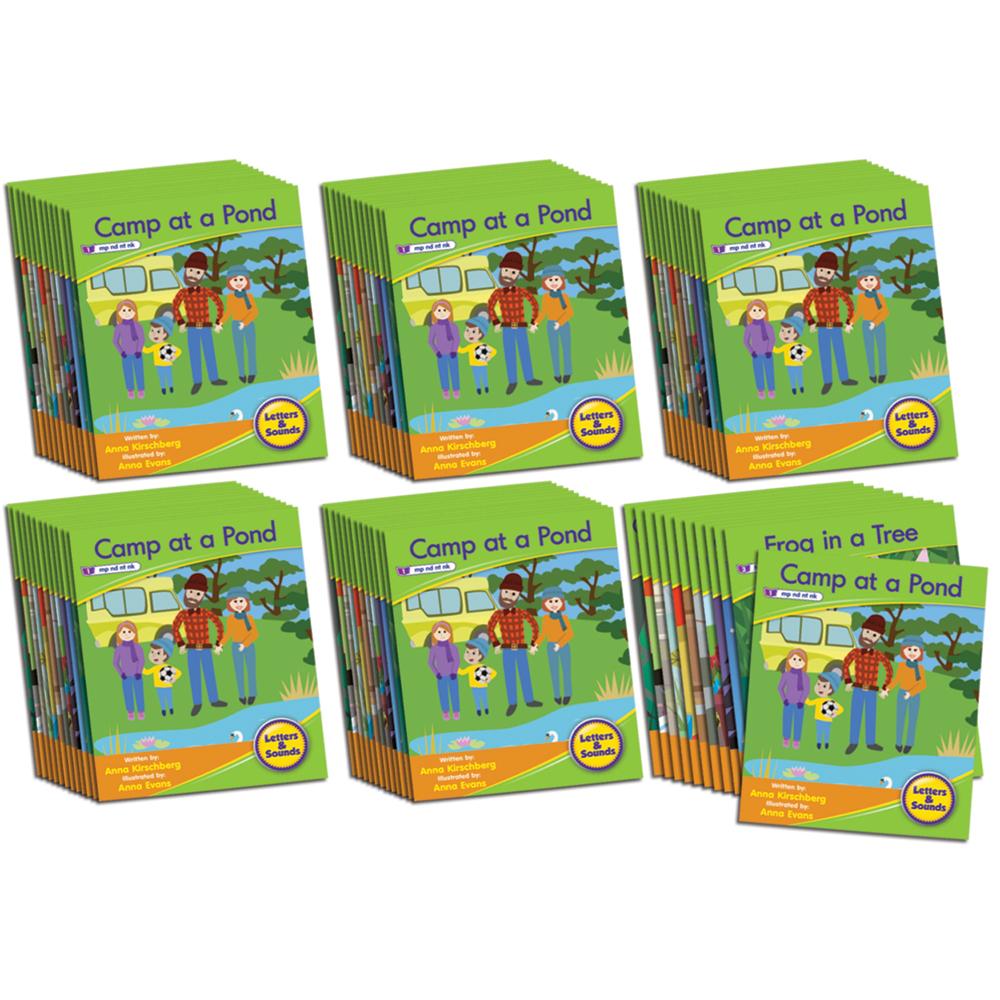
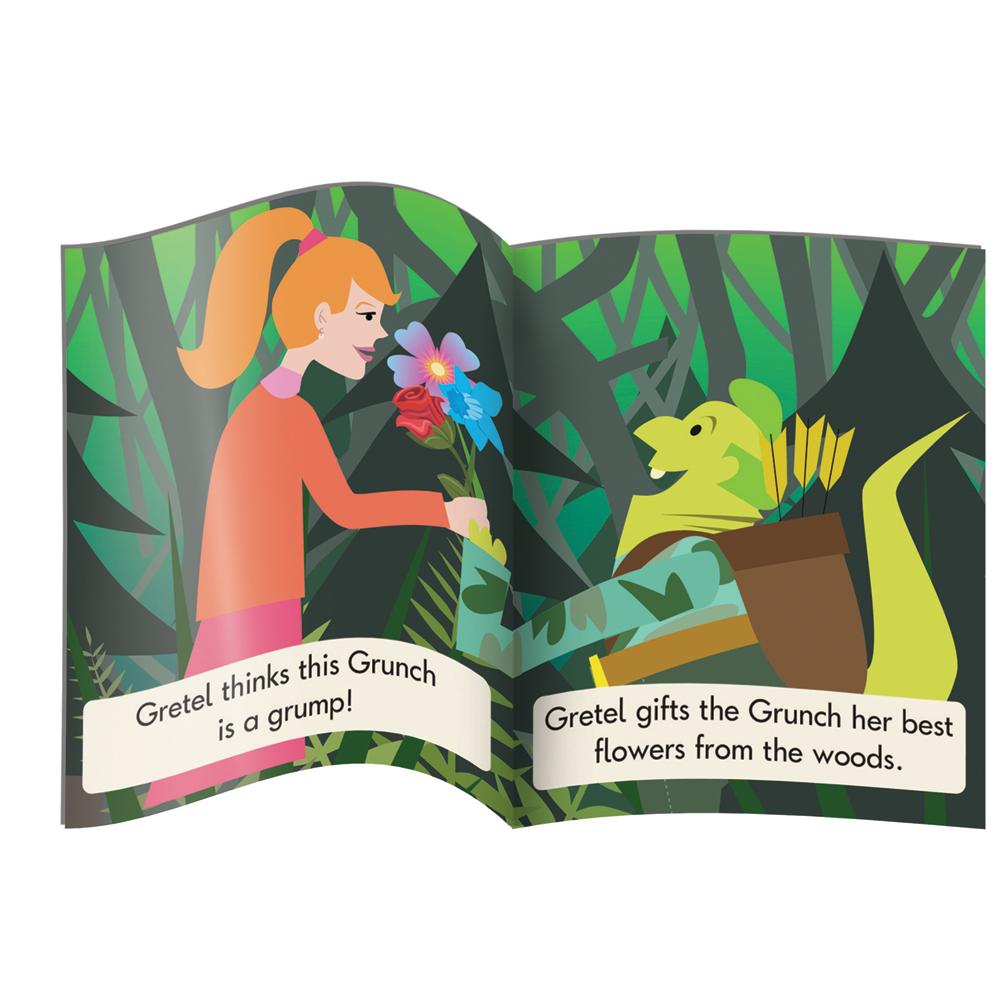
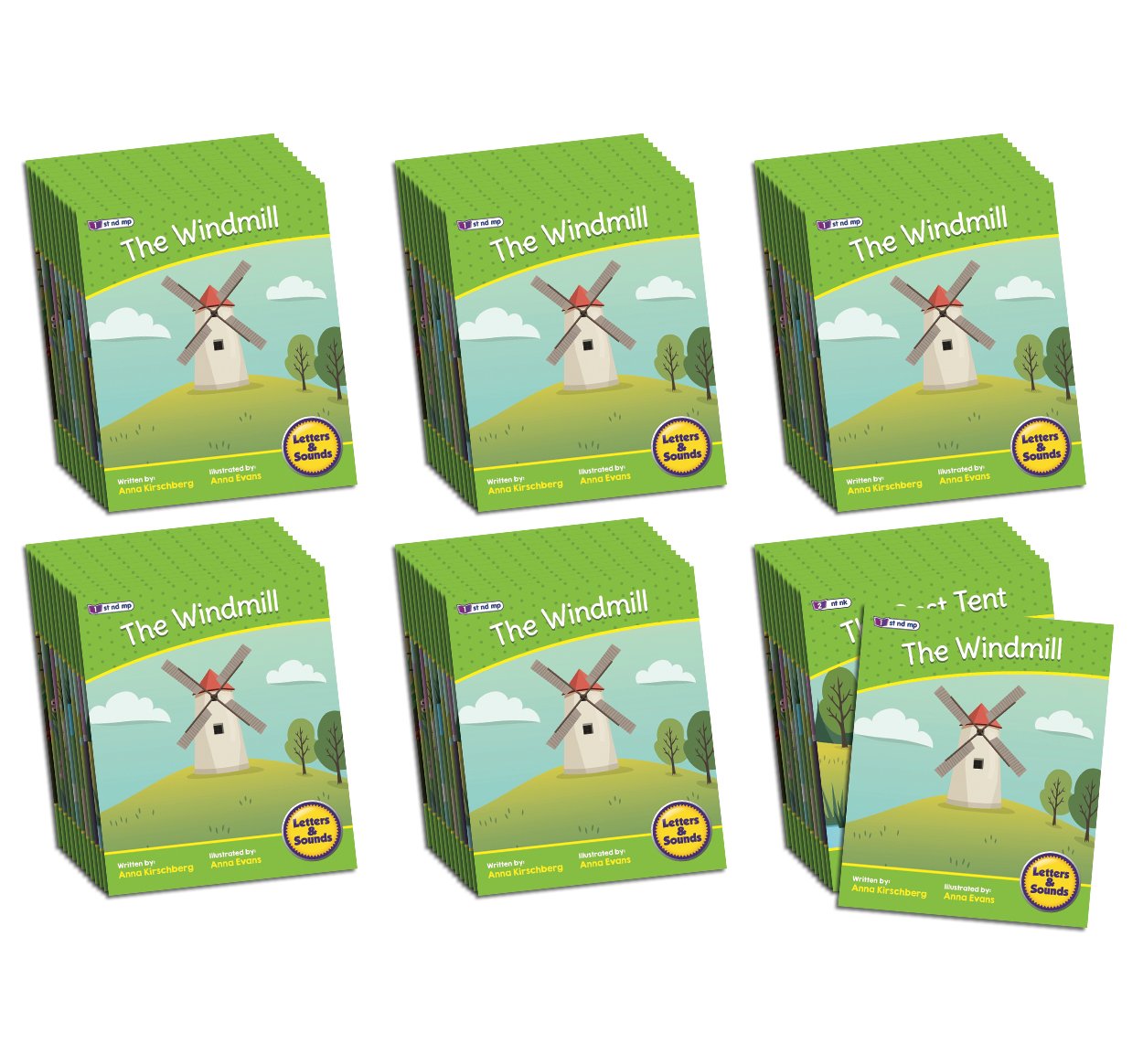
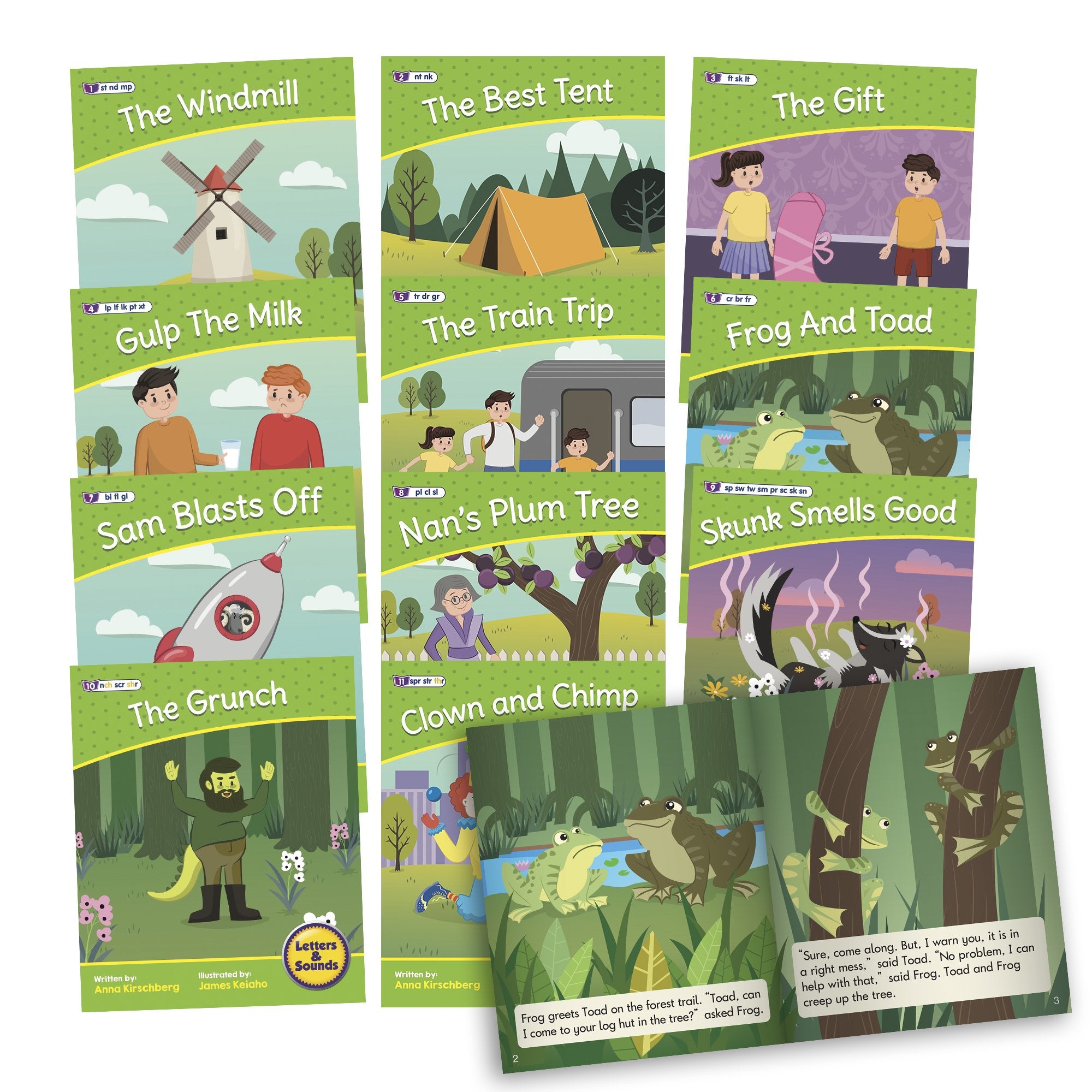
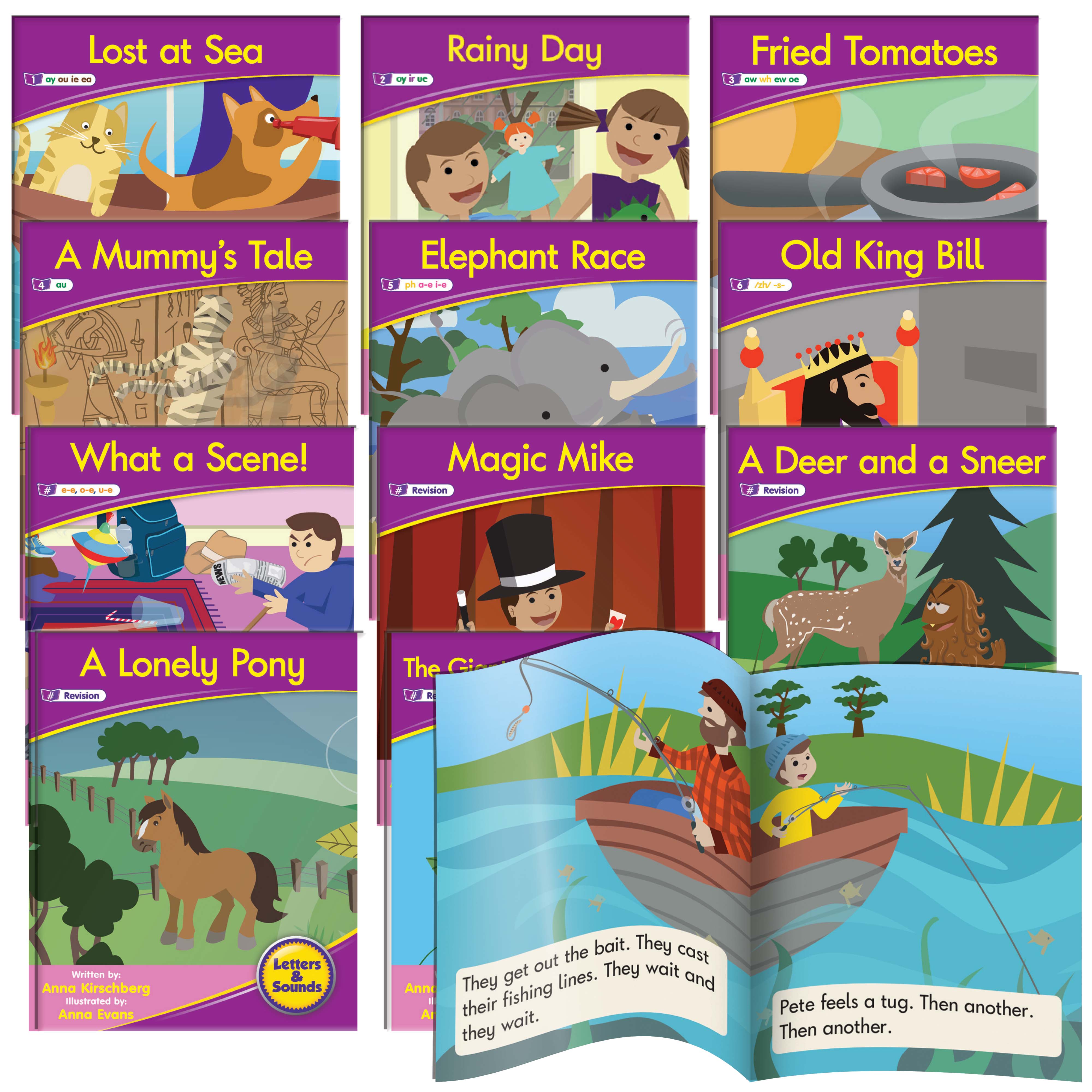
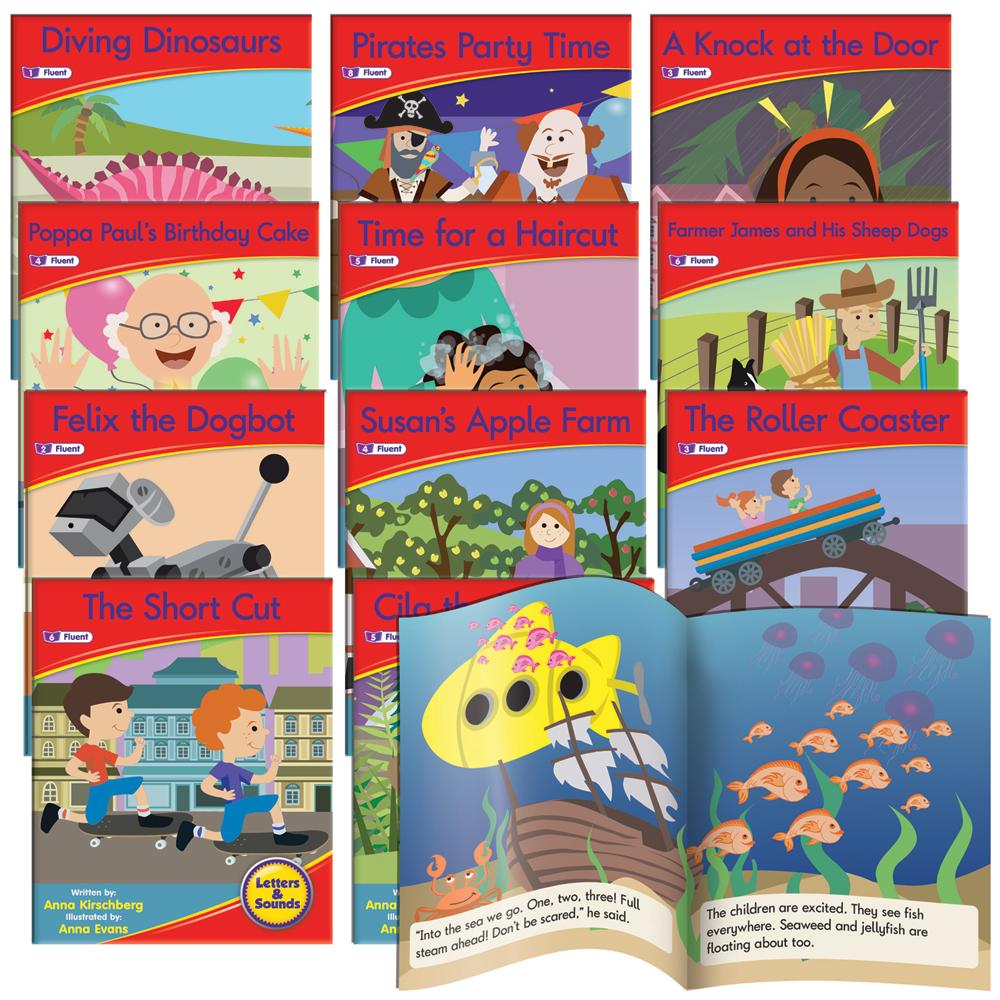
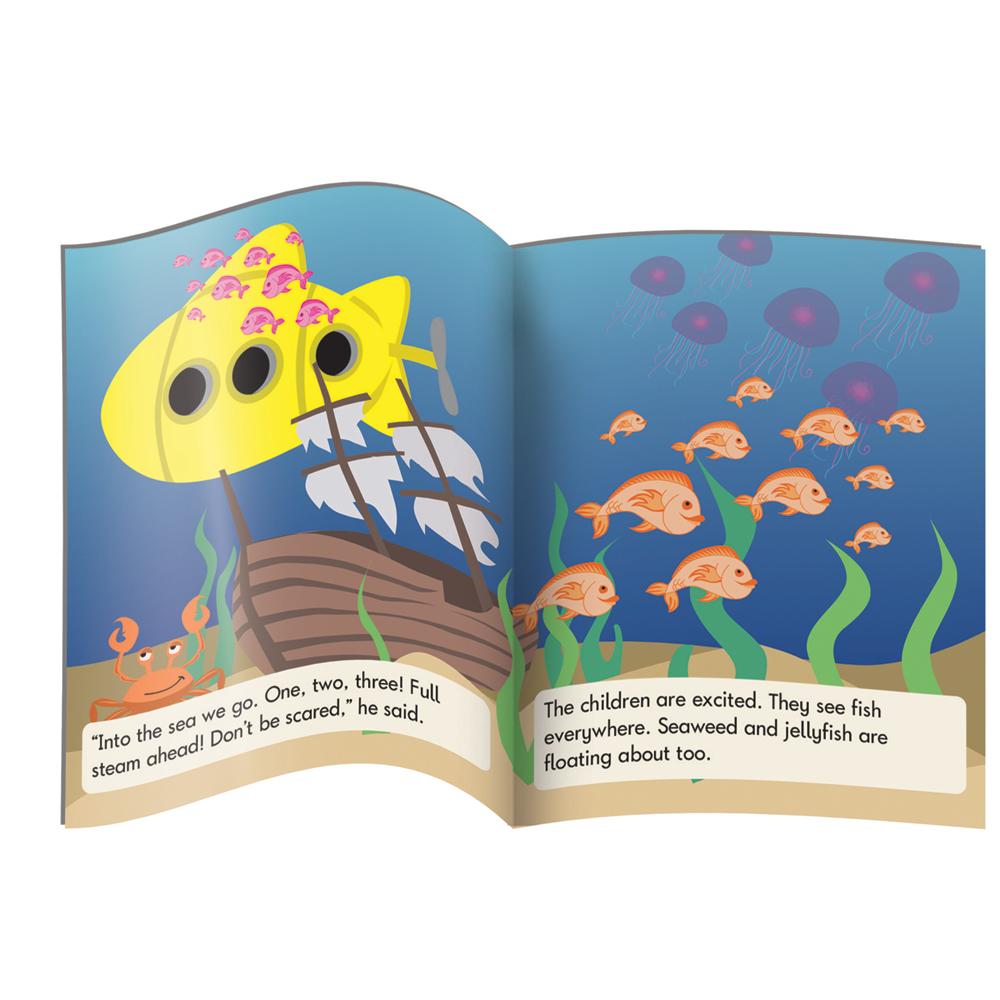
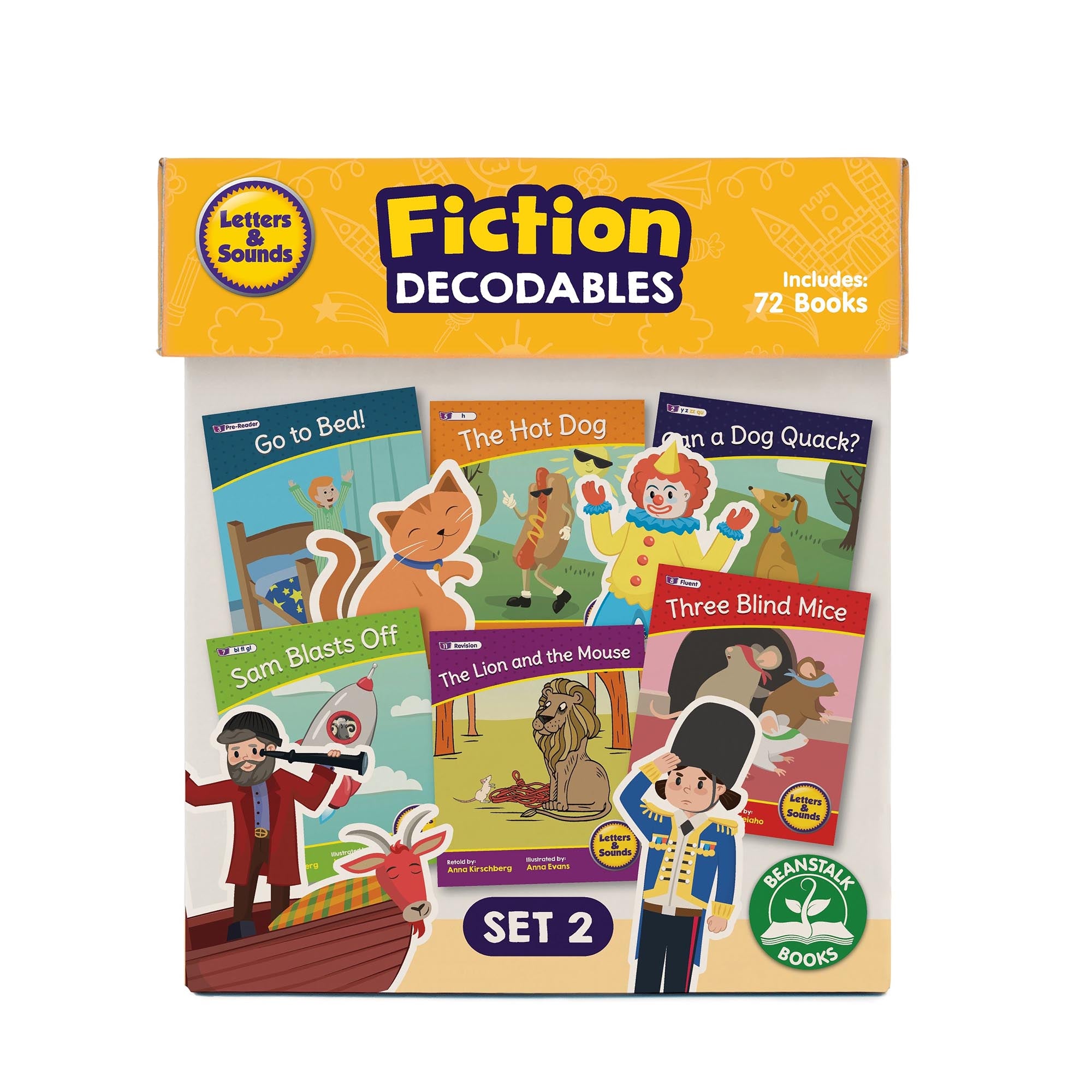
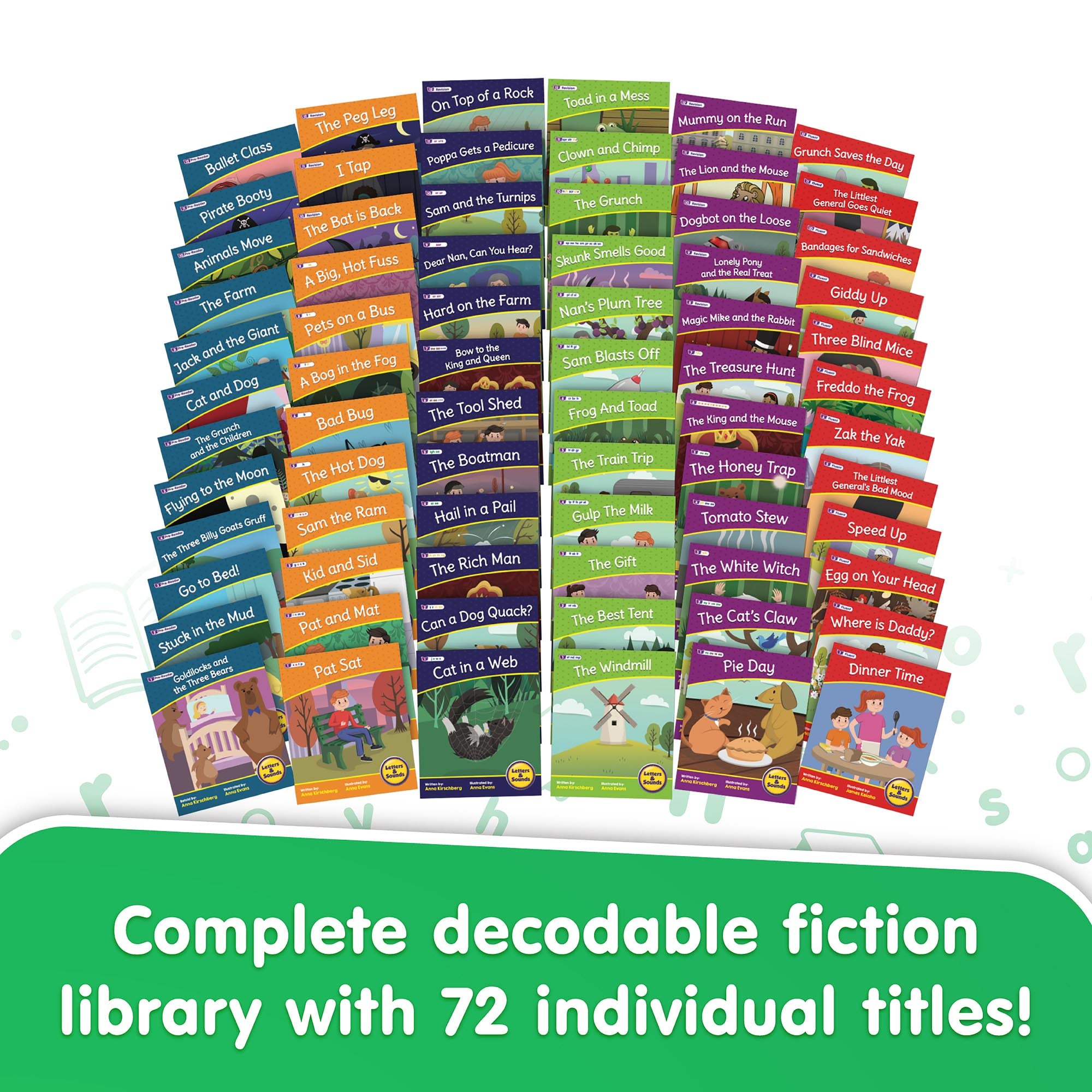
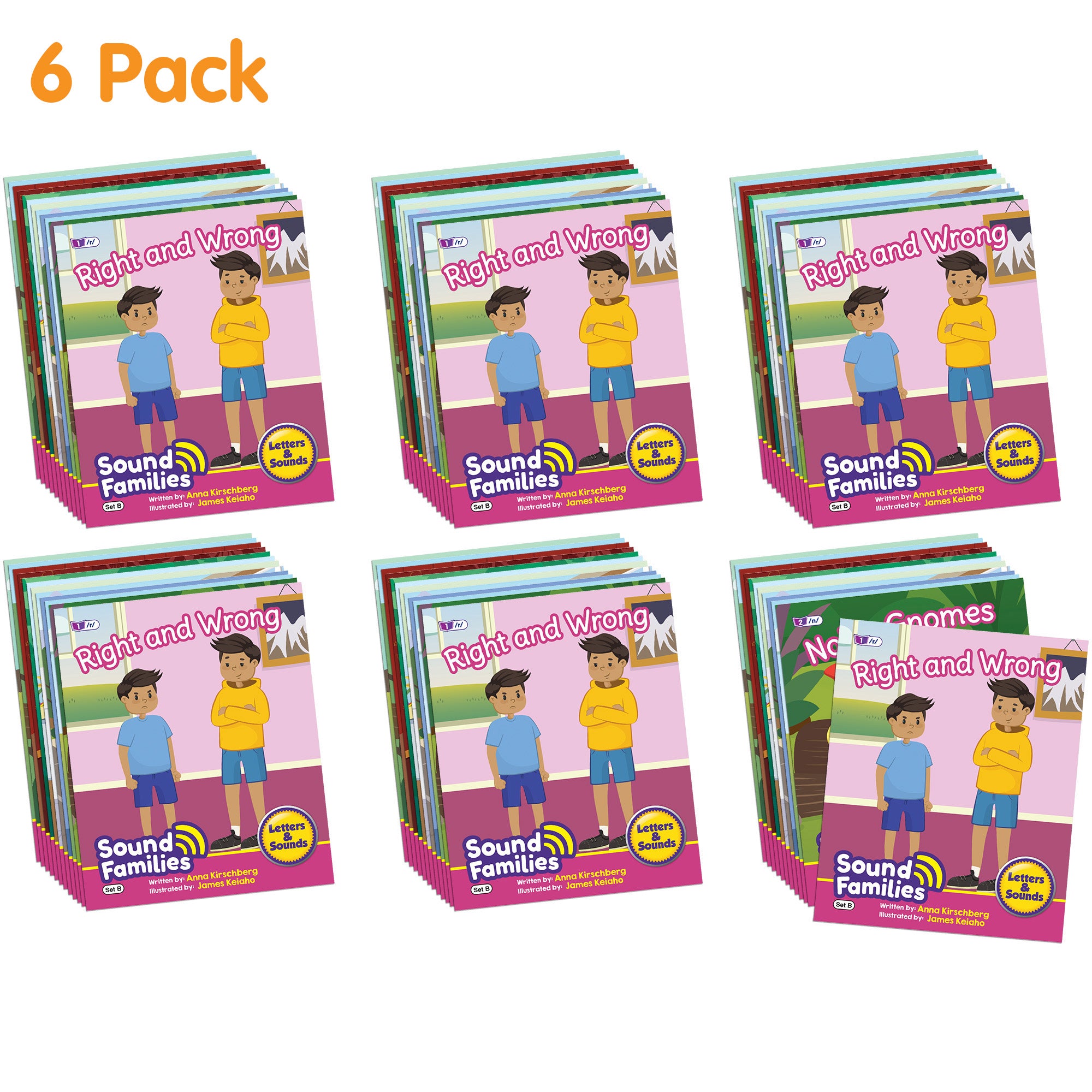
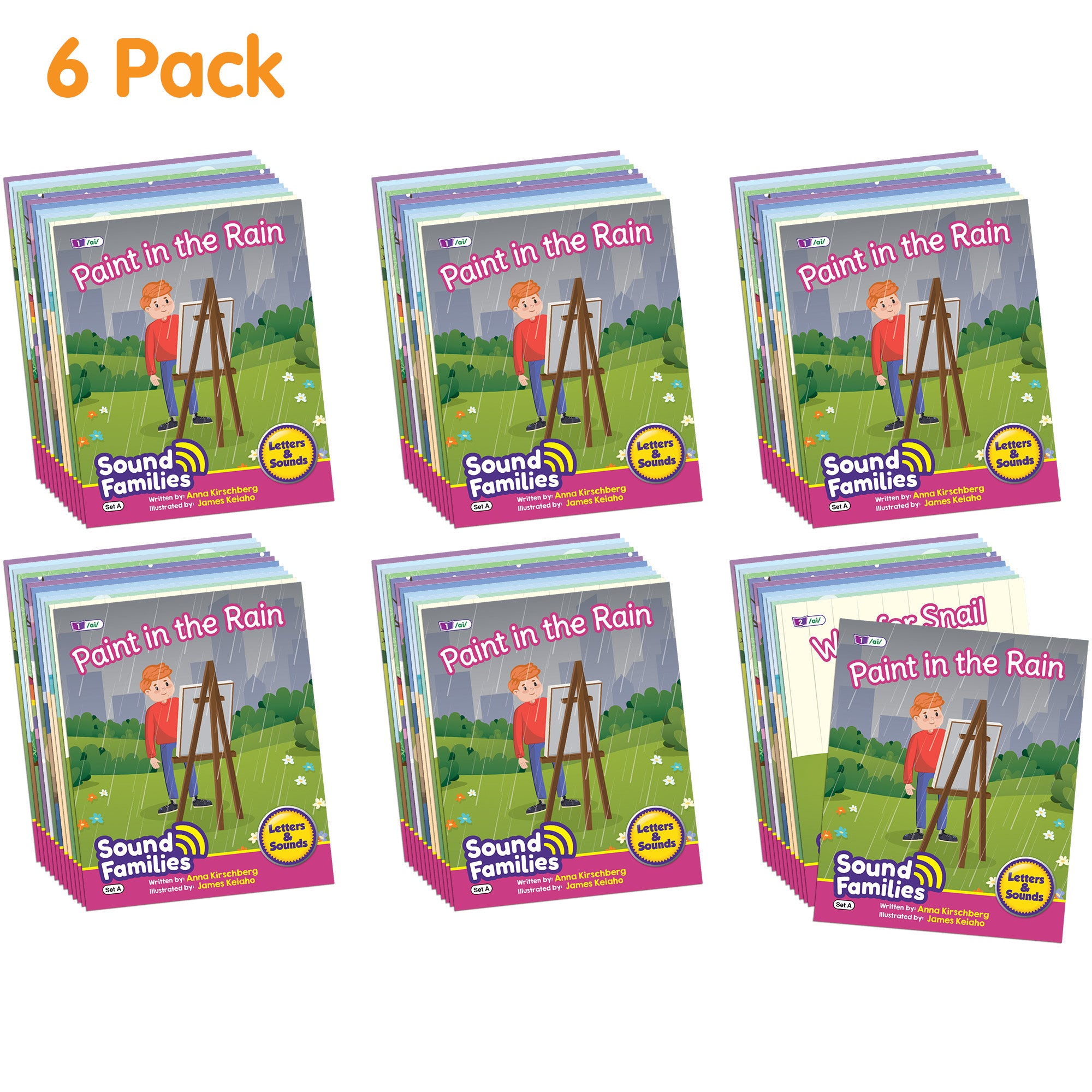
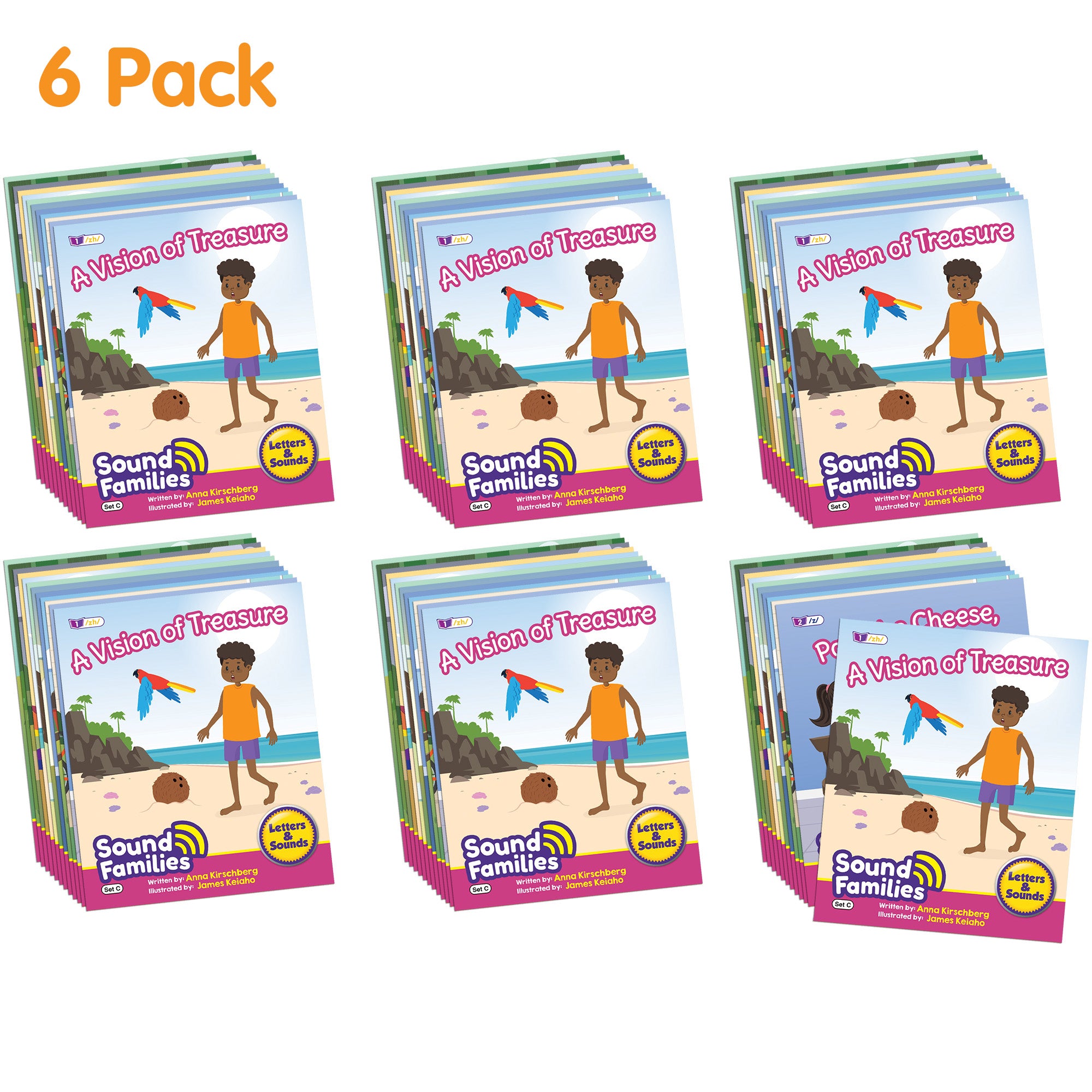
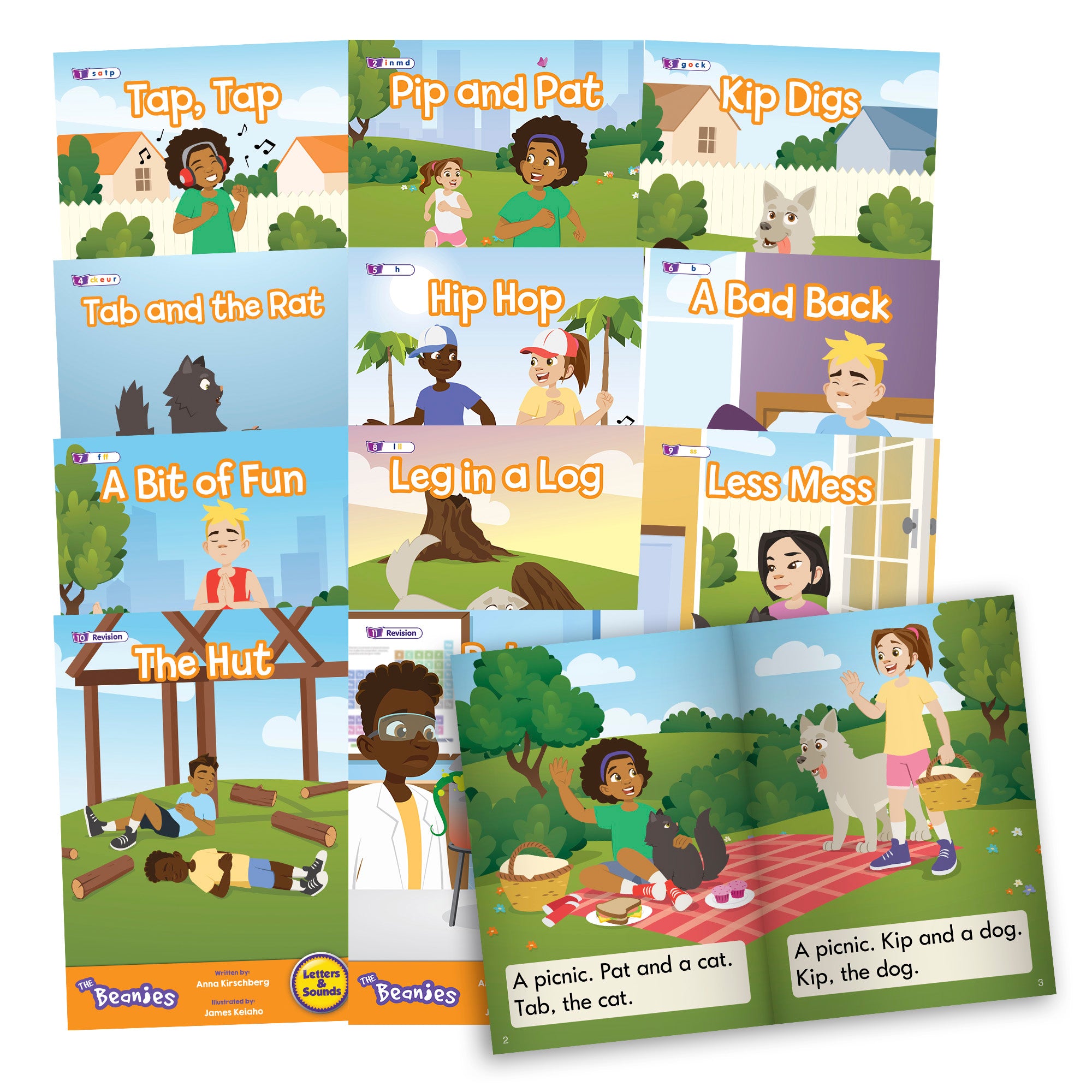
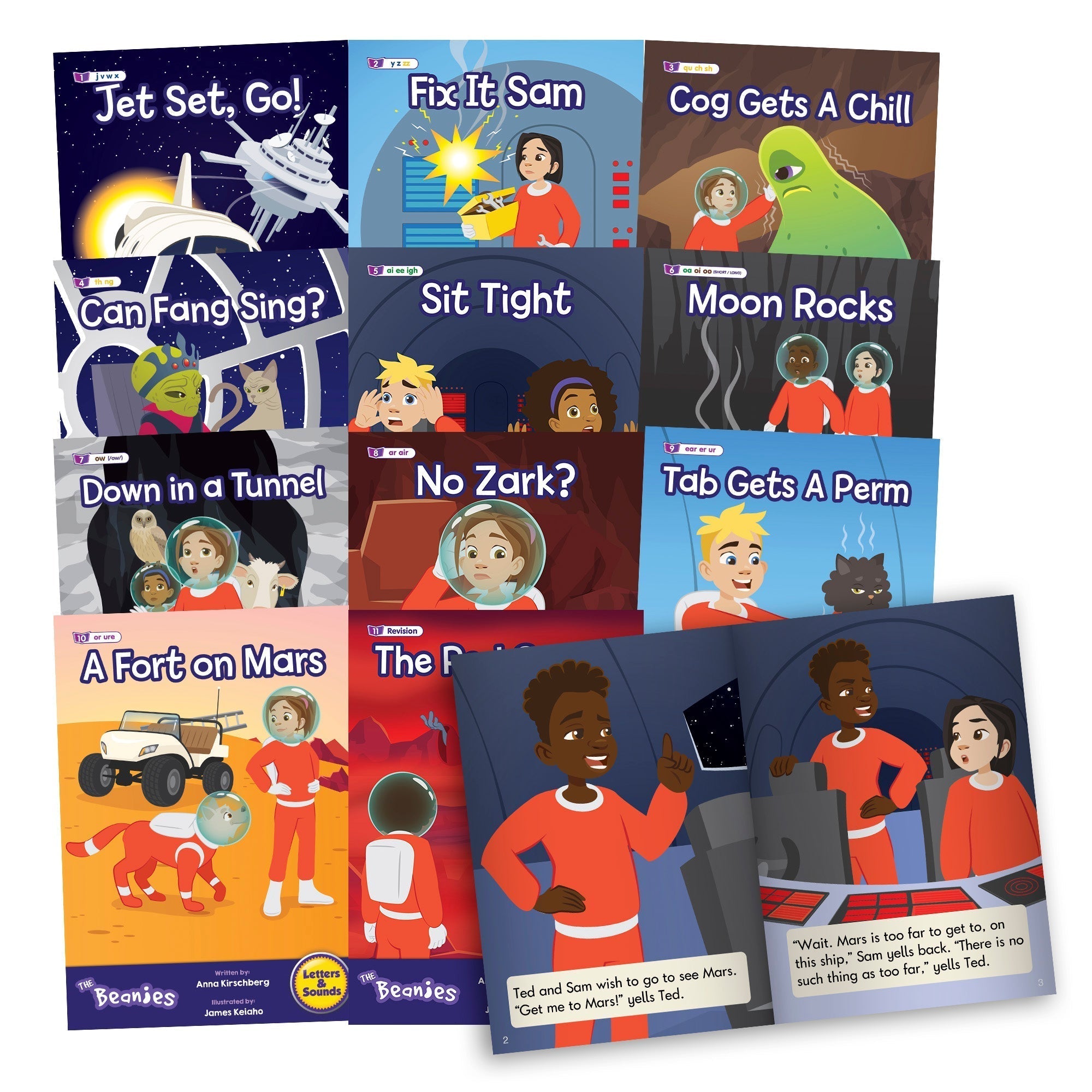
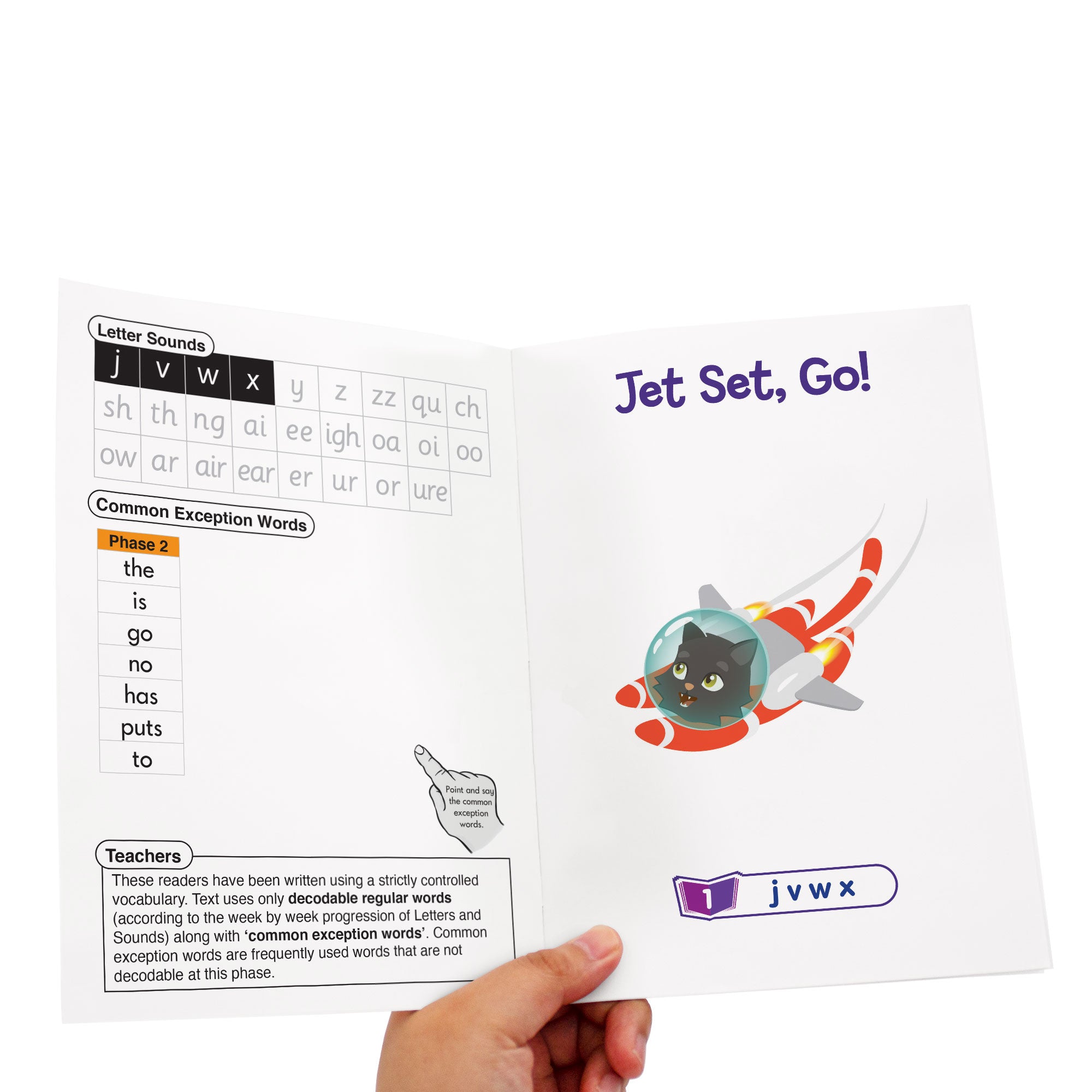
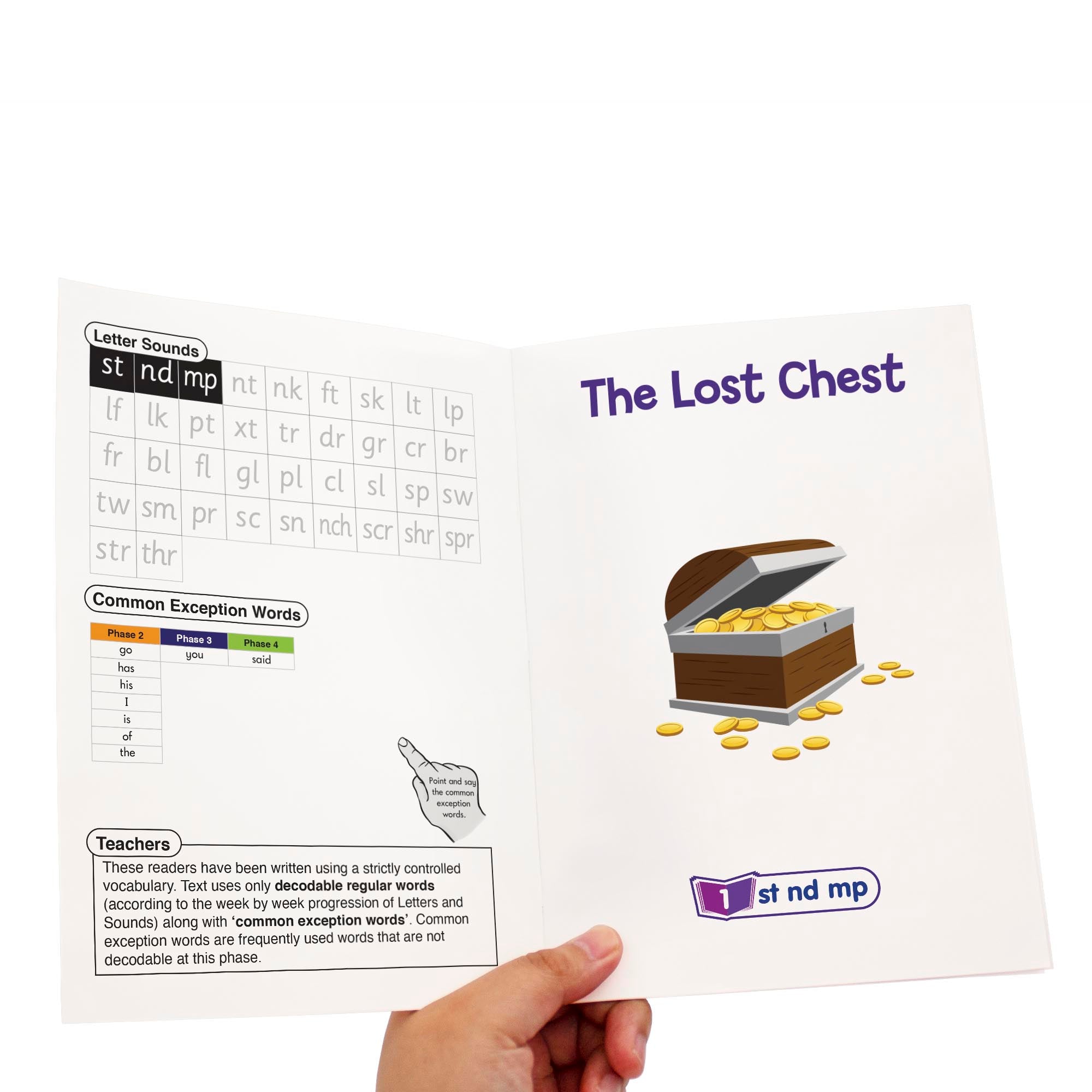
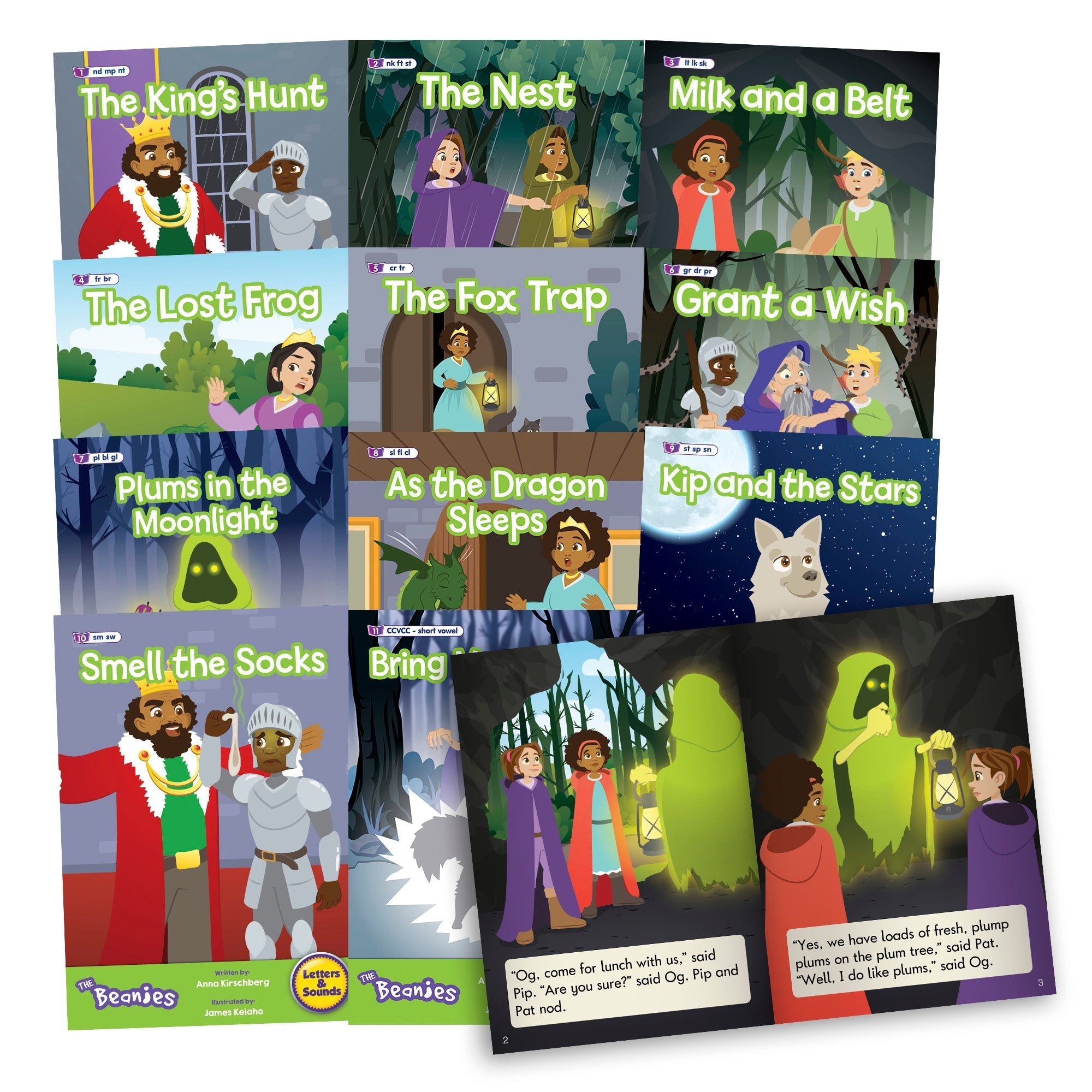
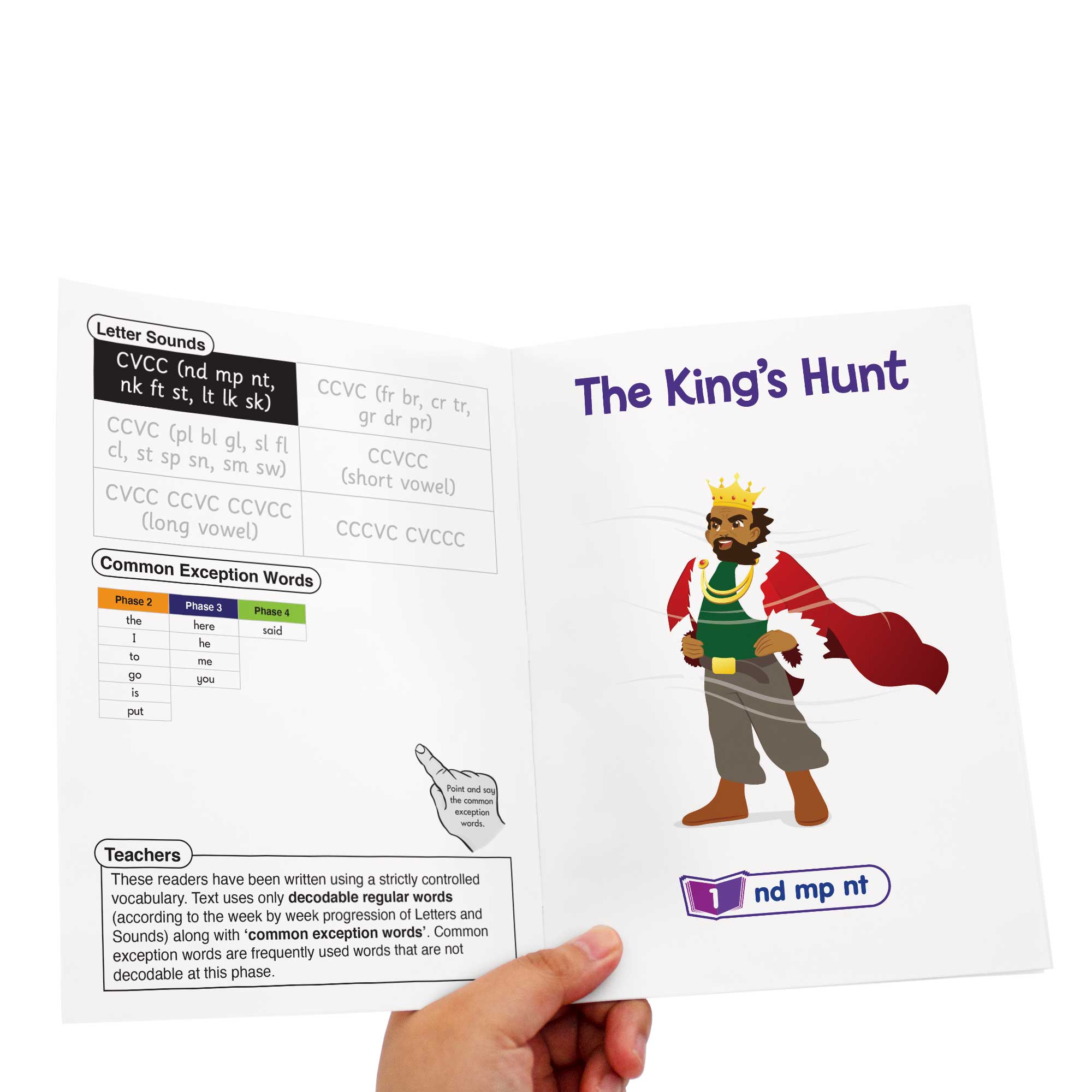
These Kits offer our 12-Book Decodable Reader Sets in Phases 2, 3 and 4 in a variety of genres. Fiction, Non-Fiction, Science and Hi-Lo titles will offer your school an abundance of variety for all interests. Also included are our Fiction and Non-Fiction sets of Decodable Big Books, offering a larger book format perfect for whole classroom reading. Rounding out the kit is a range of manipulatives and supplementary resources that are designed as part of the lessons in the Teacher Planners.
See the 'Kit Components' tab for exact quantities of each.
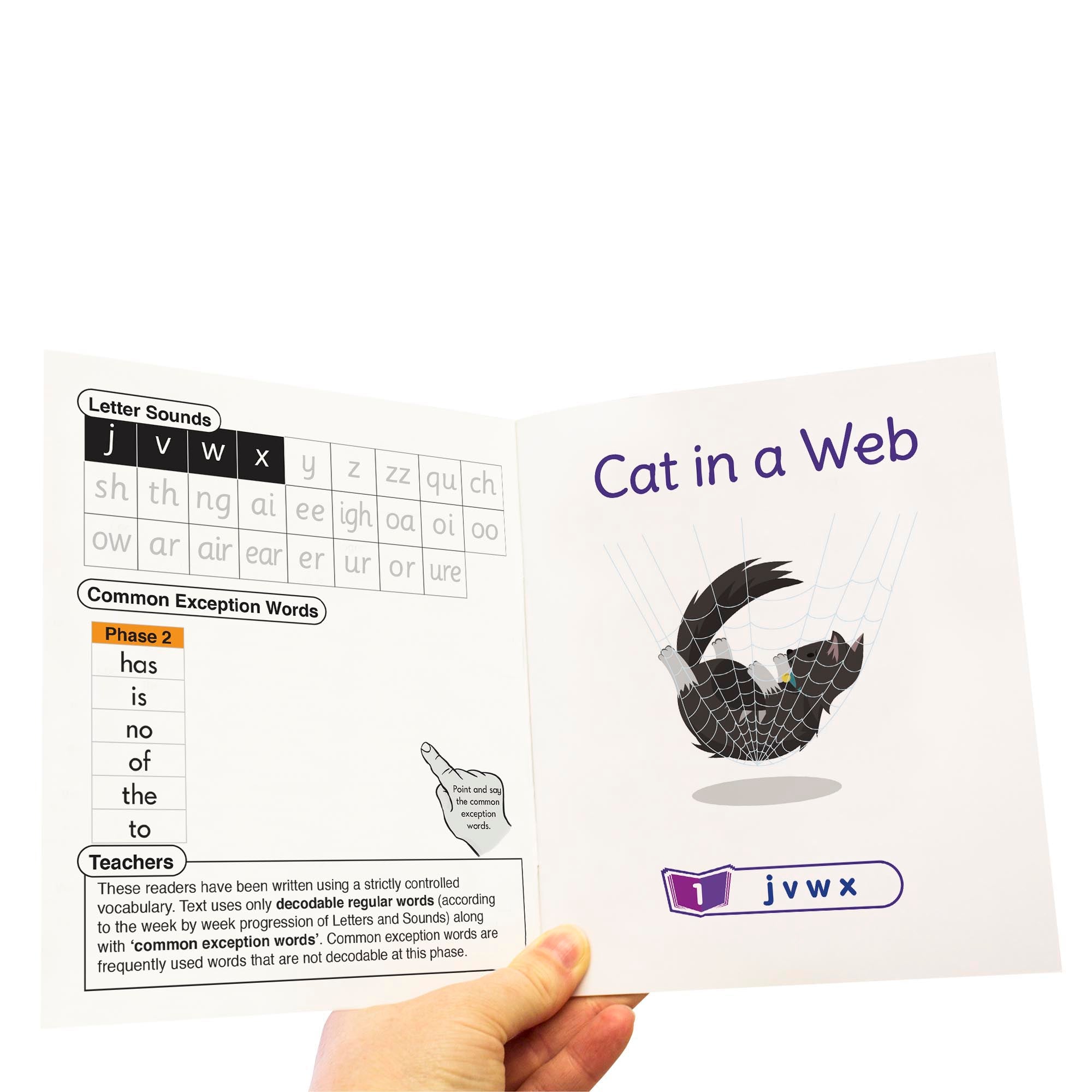
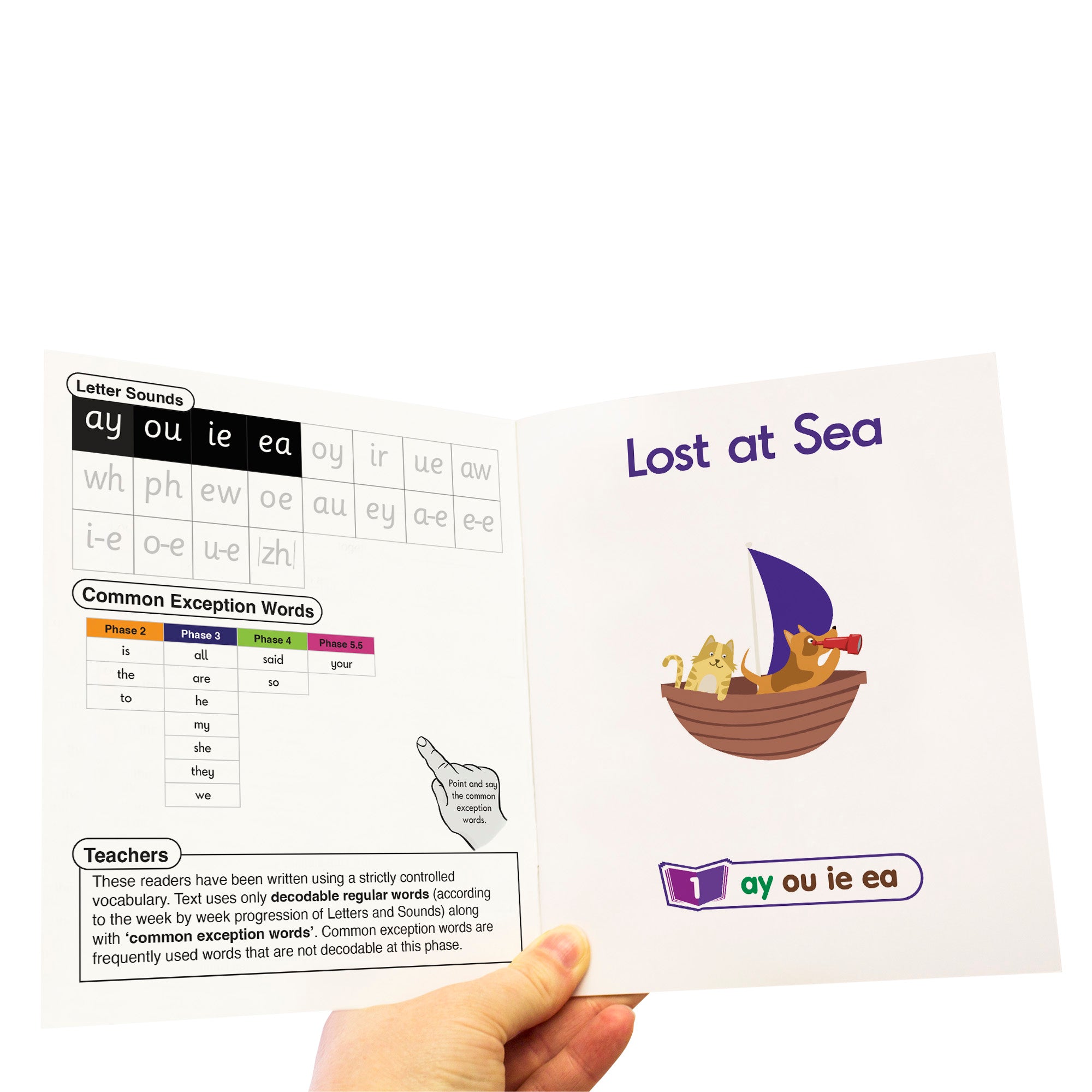
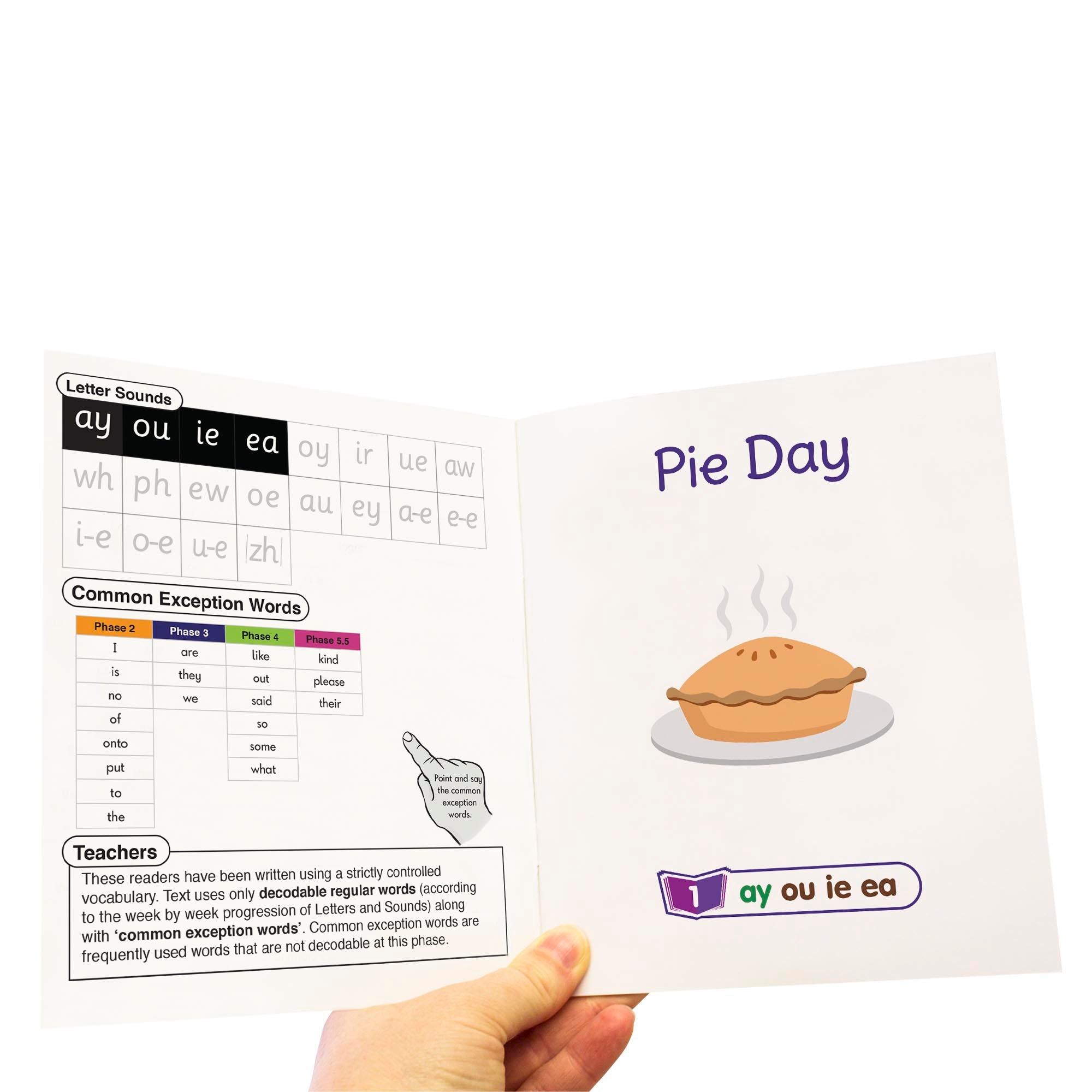
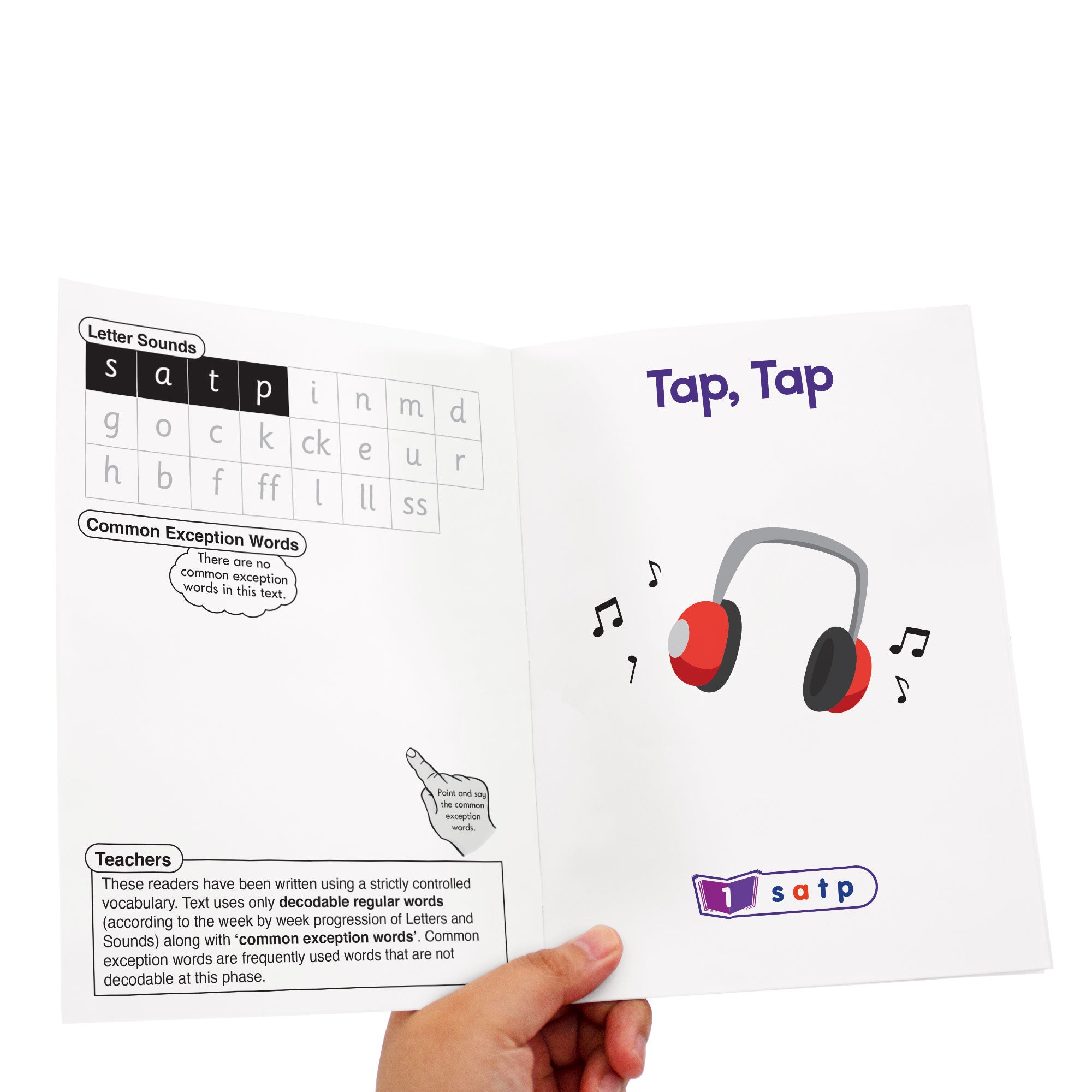
Within the programme there is a focus on handwriting formation and uppercase letters and a strong emphasis on Common Exception Words (also termed Heart Words or tricky words). Common Exception Words (CEWs) have been ordered in their own progression, which runs in parallel to the letter progression. This allows for multiple CEWs to be presented with different spelling patterns but similar phonemes so that children can see the exception components as well the decodable components. Children are empowered to phonemically analyse new words from their grapheme-to-phoneme knowledge and to identify irregular elements as they occur.